
Introduction
Flies are common pests found in homes, offices, restaurants, hotels, shops, and other commercial properties. Although they are small, flies can create serious hygiene concerns because they can move between garbage, drains, food, and other contaminated surfaces.
A fly infestation can quickly become difficult to manage when food waste, moisture, poor sanitation, or breeding areas are present. Taking preventive measures and using professional pest control when necessary can help maintain a cleaner and healthier environment.
Understanding why flies appear and how to control them is important for protecting both residential and commercial properties.
Why Do Flies Enter Homes and Businesses?
Flies are attracted to food, waste, moisture, and organic materials. Properties with easily accessible food or garbage can become attractive environments for flies.
Common factors that attract flies include:
- Exposed food
- Food waste
- Open garbage bins
- Dirty drains
- Stagnant water
- Overripe fruits and vegetables
- Poor sanitation
- Organic waste around the property
Identifying and removing these sources can help reduce fly activity.
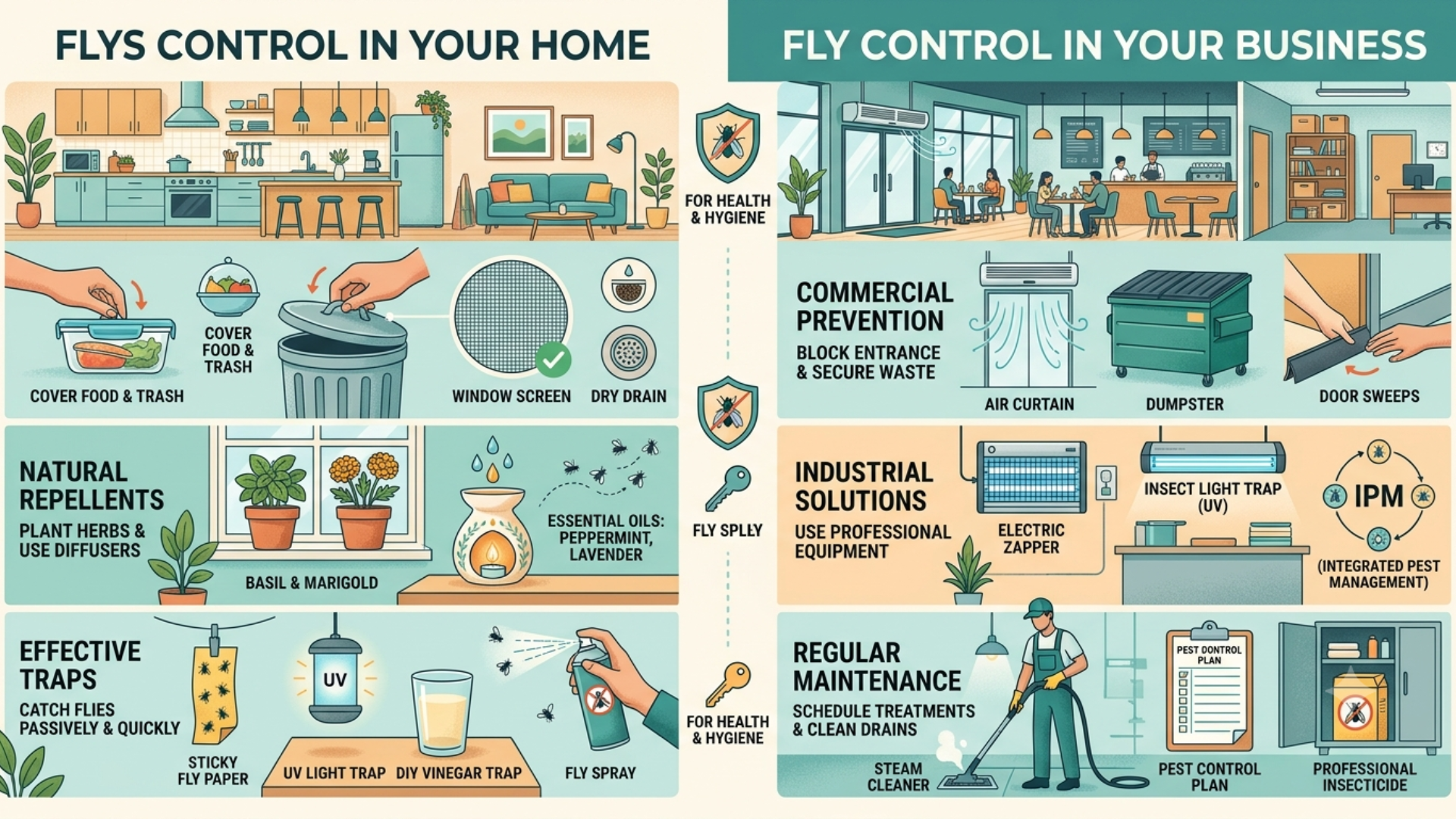
1. Keep Food Covered
Uncovered food can quickly attract flies, especially in kitchens and food businesses.
Always:
- Cover cooked food
- Store food properly
- Keep fruits and vegetables protected
- Clean food preparation areas regularly
Proper food storage helps reduce fly attraction.
2. Dispose of Garbage Regularly
Garbage is one of the most common breeding and feeding sources for flies.
Follow these practices:
- Use covered garbage bins
- Remove waste regularly
- Keep garbage areas clean
- Avoid allowing food waste to accumulate
Good waste management can significantly reduce fly activity.
3. Keep Kitchen Areas Clean
Food particles and spills can attract flies even when the infestation is small.
Clean:
- Kitchen counters
- Floors
- Dining areas
- Food preparation surfaces
- Areas underneath appliances
Regular cleaning removes potential food sources.
4. Clean Drains Regularly
Dirty drains can contain organic material that attracts certain types of flies.
Pay attention to:
- Kitchen drains
- Bathroom drains
- Floor drains
- Sink areas
- Commercial drainage systems
Regular drain cleaning helps reduce potential breeding sites.
5. Keep Doors and Windows Protected
Flies can easily enter through open doors and windows.
Consider using:
- Window screens
- Door screens
- Air curtains for suitable commercial premises
- Properly sealed openings
Keeping entry points protected can reduce indoor fly activity.
6. Remove Standing Water
Moisture and stagnant water can contribute to fly and other pest activity.
Check around your property for:
- Water containers
- Blocked drains
- Leaking pipes
- Wet waste areas
- Water accumulation
Fix leaks and remove unnecessary standing water.
7. Maintain Outdoor Areas
Outdoor waste, animal droppings, fallen fruits, and decaying organic matter can attract flies.
Maintain outdoor spaces by:
- Removing waste regularly
- Cleaning around garbage areas
- Keeping gardens tidy
- Removing decaying organic materials
A clean exterior helps reduce fly populations before they enter the building.
Signs of a Fly Infestation
Common signs include:
- Large numbers of flies indoors
- Flies gathering around garbage
- Flies near drains
- Maggots in waste or organic material
- Frequent flies around food preparation areas
- Unpleasant odors
If fly activity continues despite regular cleaning, the property may have an underlying breeding source.
Why Fly Control Is Important for Businesses
Fly control is particularly important for businesses that handle food or serve customers.
These include:
- Restaurants
- Hotels
- Bakeries
- Cafes
- Food processing units
- Grocery stores
- Catering businesses
A visible fly infestation can affect customer confidence and create serious hygiene concerns.
Regular pest management helps businesses maintain cleaner premises and reduce pest-related risks.
How to Prevent Flies From Coming Back
Preventing flies requires consistent sanitation and property maintenance.
1. Maintain Proper Waste Management
Keep waste containers closed and remove waste according to a regular schedule.
2. Clean Food Preparation Areas
Clean and sanitize appropriate surfaces after food preparation and remove food residues promptly.
3. Maintain Drain Hygiene
Keep drains clean and address blocked or slow-draining areas quickly.
4. Seal Potential Entry Points
Check doors, windows, vents, and other openings for gaps that flies may use to enter.
5. Schedule Regular Pest Inspections
Regular professional inspections can help identify hidden breeding areas before fly activity becomes severe.
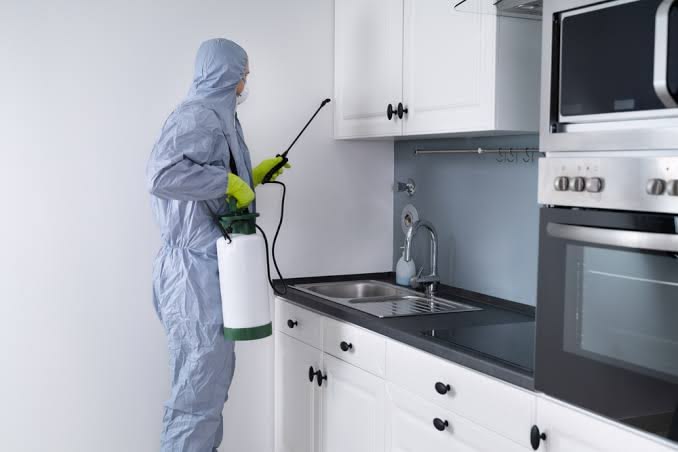
Why Professional Fly Control Is Important
Household fly sprays may kill visible flies, but they may not eliminate the breeding source. If the source remains, new flies can continue to appear.
Professional fly control can provide:
- Detailed property inspection
- Identification of breeding areas
- Targeted treatment
- Sanitation recommendations
- Preventive pest management
- Regular monitoring when required
Professional treatment addresses the underlying causes rather than focusing only on visible flies.
How HVL Pest Services Can Help
HVL Pest Services provides professional fly control solutions for residential and commercial properties.
Their approach includes:
Detailed Inspection
The property is inspected to identify fly activity, breeding areas, waste sources, drains, and possible entry points.
Targeted Treatment
Treatment methods are selected according to the type and level of fly activity.
Breeding Source Management
Potential breeding areas are identified and recommendations are provided to reduce conditions that attract flies.
Preventive Protection
Experts provide guidance on sanitation, waste management, moisture control, and property maintenance.

Conclusion
Flies can become a serious hygiene concern when food waste, garbage, moisture, and breeding sources are not properly managed. Keeping food covered, maintaining clean kitchens, managing waste, cleaning drains, removing standing water, and protecting doors and windows can help reduce fly activity.
For persistent infestations, professional fly control can identify hidden breeding sources and provide targeted treatment. Combining proper sanitation with professional pest management can help keep homes and businesses cleaner, healthier, and free from recurring fly problems.