
Introduction
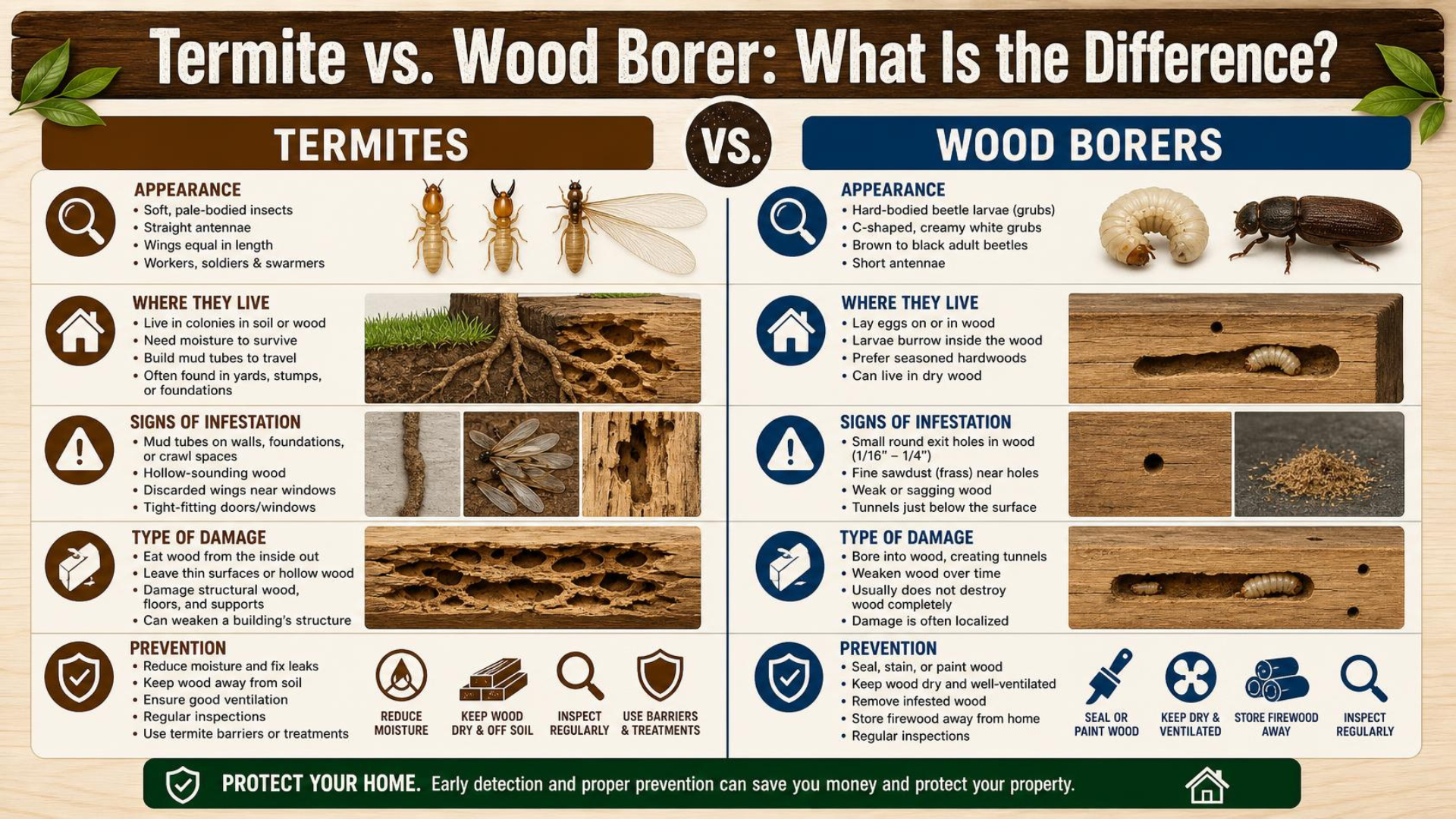
Wood damage inside a home can be caused by different types of pests, and termites and wood borers are two common culprits. Although both can damage wooden furniture, doors, cupboards, flooring, and other structures, they behave differently and require different control methods.
Identifying whether the damage is caused by termites or wood borers is important because treating the wrong pest may not solve the problem. Understanding their differences, signs of infestation, and prevention methods can help homeowners protect their property and avoid expensive repairs.
What Are Termites?
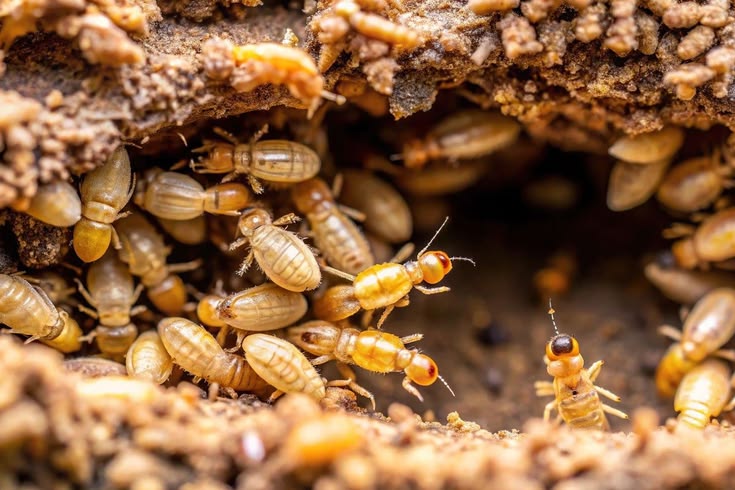
Termites are social insects that live in colonies and feed primarily on cellulose-based materials such as wood. Depending on the species, they may live in soil, wooden structures, or other protected areas.
Termites can damage:
- Wooden furniture
- Door and window frames
- Flooring
- Cupboards
- Wooden beams
- Building structures
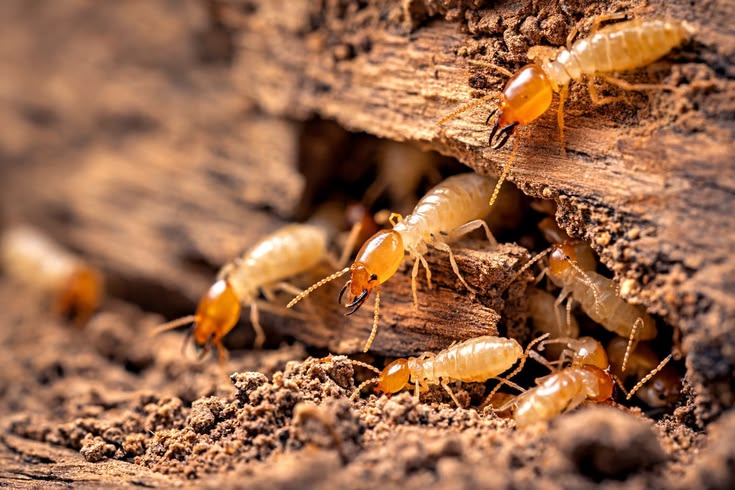
Because termites often feed inside wood or travel through hidden pathways, significant damage may occur before an infestation becomes obvious.
What Are Wood Borers?
Wood borers are insects whose larvae tunnel into wood as they develop. Different wood-boring beetle species can attack timber, furniture, flooring, and other wooden materials.
Their larvae can remain inside wood for an extended period and create tunnels as they feed.
Wood borers may affect:
- Furniture
- Wooden doors
- Beams
- Flooring
- Roof timber
- Decorative wooden items
Key Differences Between Termites and Wood Borers
Understanding the differences can help homeowners identify the type of pest affecting their property.
1. Feeding Behaviour
Termites generally consume cellulose in wood and can work as a colony.
Wood borer larvae tunnel through wood as they feed and develop. The damage is often concentrated within the affected piece of timber.
2. Appearance of Damage
Termite damage may result in:
- Hollow-sounding wood
- Mud tubes
- Internal tunnels
- Weak wooden structures
- Damaged surfaces
Wood borer damage may appear as:
- Small round exit holes
- Fine powder or frass
- Tunnels inside timber
- Damaged wooden surfaces
3. Presence of Mud Tubes
Mud tubes are commonly associated with subterranean termite activity.
They may be found:
- Along walls
- Near foundations
- Around wooden structures
- Along cracks and joints
Wood borers generally do not create mud tubes.
4. Type of Pest
Termites are social insects that live in colonies containing different types of individuals.
Wood borers are generally associated with wood-boring beetles, where the larvae are responsible for much of the internal wood damage.
5. Source of Infestation
Termites may enter a building from surrounding soil or through structural entry points.
Wood borers may already be present in infested timber or enter through vulnerable wooden materials.
Signs of Termite Infestation
Look for:
- Mud tubes
- Hollow-sounding wood
- Discarded wings
- Damaged wooden structures
- Small cracks or openings
- Doors and windows becoming difficult to operate
If these signs are present, professional termite inspection is recommended.
Signs of Wood Borer Infestation
Common signs include:
- Small holes in wooden surfaces
- Fine powder around furniture
- Frass near exit holes
- Tunnels inside wood
- Weak or damaged timber
- Adult beetles around wooden materials
Repeated appearance of fresh powder near wooden surfaces may indicate ongoing wood borer activity.
Why Early Identification Is Important
Both termites and wood borers can cause serious damage if left untreated.
Early identification helps:
- Prevent further structural damage
- Protect furniture
- Reduce repair costs
- Determine the correct treatment
- Prevent infestation from spreading
Ignoring early warning signs can allow hidden damage to become much more extensive.
How to Prevent Termites and Wood Borers
Homeowners can take several preventive measures to protect wooden structures.
1. Keep Wood Dry
Moisture can increase the vulnerability of wooden materials to different pests.
Fix leaks and improve ventilation around damp areas.
2. Use Properly Treated Wood
Using suitable treated timber can help reduce the risk of wood-destroying insect activity.
3. Inspect Wooden Furniture Regularly
Check furniture, doors, flooring, and other wooden structures for holes, powder, mud tubes, or unusual damage.
4. Avoid Wood-to-Soil Contact
Keep wooden structures away from direct contact with soil wherever possible.
5. Remove Damaged Timber
Heavily damaged or infested wood may need professional assessment and appropriate treatment or replacement.
Why Professional Pest Control Is Important
Termite and wood borer infestations can be difficult to identify and eliminate without professional knowledge. Treating only the visible damage may leave pests hidden inside the wood or property.
Professional pest control can provide:
- Detailed inspection
- Identification of the pest
- Assessment of affected areas
- Targeted treatment
- Preventive recommendations
- Follow-up monitoring
Professional assessment helps ensure that the treatment is appropriate for the specific pest problem.
How HVL Pest Services Can Help
HVL Pest Services provides professional pest management solutions for termite and wood-destroying pest problems in residential and commercial properties.
Their approach includes:
Detailed Inspection
The property and affected wooden structures are inspected to identify signs of termites, wood borers, and other wood-damaging pests.
Pest Identification
Professionals assess the visible signs and infestation patterns to determine the appropriate pest control approach.
Targeted Treatment
Treatment is selected based on the type and severity of the infestation.
Preventive Protection
Experts provide recommendations for moisture management, wood maintenance, and regular inspections to reduce future pest problems.
Conclusion
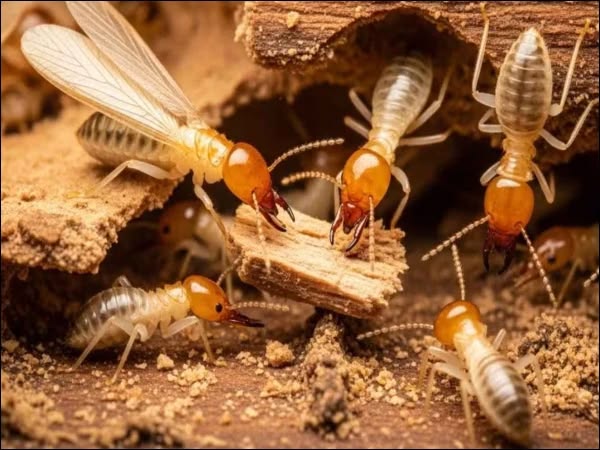
Termites and wood borers can both cause serious damage to wooden furniture and structures, but they differ in their behaviour, signs, and treatment requirements. Termites typically work as colonies and may enter properties through soil and structural pathways, while wood borers are commonly associated with larvae that tunnel through timber.
If you notice mud tubes, hollow wood, small holes, frass, or other signs of wood damage, identifying the cause early is important. Professional pest inspection and targeted treatment can help protect your furniture, prevent further damage, and maintain the long-term safety of your property.