
Introduction
Bed bugs are small pests that can cause significant discomfort in homes, apartments, hotels, and other residential spaces. They are excellent at hiding in mattresses, bed frames, furniture, cracks, and other dark areas, making them difficult to detect during the early stages of an infestation.
Bed bugs mainly feed on blood and are often active at night. If an infestation is not addressed quickly, they can spread to different rooms and become increasingly difficult to eliminate. Learning how to identify the early signs and taking preventive measures can help protect your home from a serious bed bug problem.
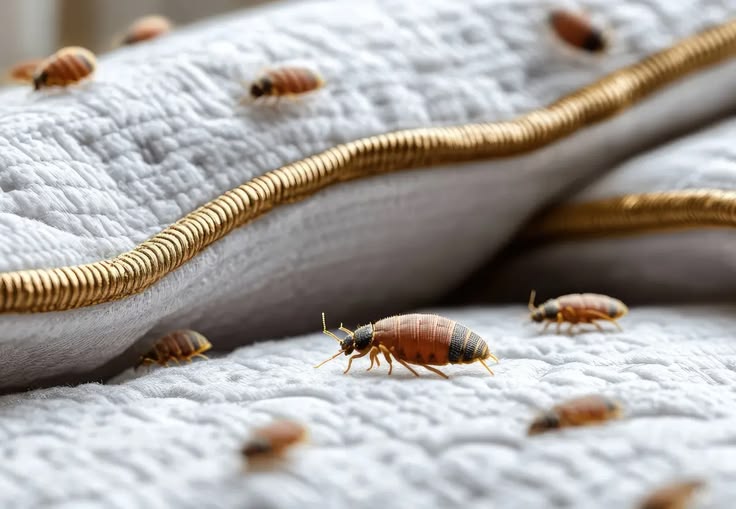
How Do Bed Bugs Enter Your Home?
Bed bugs can enter homes through various personal belongings and infested items. They can easily hide in small spaces and travel from one location to another.
Common ways bed bugs enter homes include:
- Luggage after travelling
- Used mattresses
- Second-hand furniture
- Clothing and bags
- Backpacks
- Infested bedding
- Visitors’ belongings
Bed bugs do not necessarily indicate poor household hygiene. Even clean homes can experience bed bug infestations.
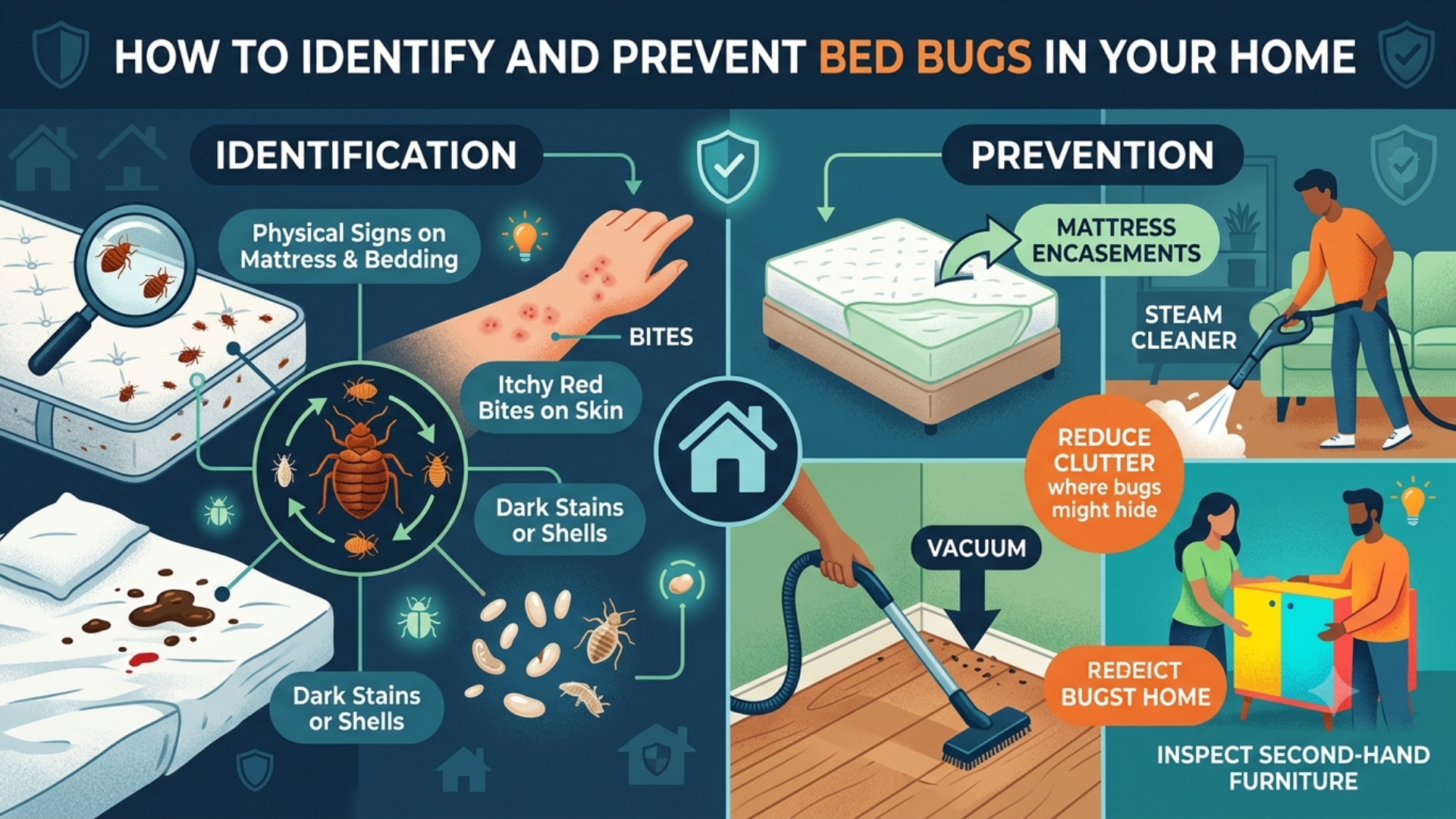
1. Check Your Mattress Regularly
Mattresses provide an ideal hiding place for bed bugs because they are close to people while they sleep.
Inspect:
- Mattress seams
- Corners
- Edges
- Underside of the mattress
- Areas around the bed frame
Look for insects, dark spots, eggs, or shed skins.
2. Inspect Bed Frames and Headboards
Bed bugs can hide inside cracks and joints in bed frames and headboards.
Pay attention to:
- Screw holes
- Wooden joints
- Cracks
- Backside of headboards
- Gaps between the bed and wall
Regular inspection can help detect activity before it spreads.
3. Look for Dark Spots on Bedding
Small dark or reddish marks on bedsheets can sometimes indicate bed bug activity.
Check bedding regularly for:
- Dark spots
- Small blood stains
- Shed skins
- Tiny insects
If you repeatedly notice these signs, consider arranging a professional inspection.
4. Inspect Used Furniture Before Bringing It Home
Second-hand furniture can carry hidden bed bugs.
Before bringing furniture indoors:
- Check seams and joints
- Inspect underneath cushions
- Examine cracks
- Look for dark spots
- Check upholstered areas carefully
Avoid bringing heavily infested furniture into your home.
5. Be Careful After Travelling
Bed bugs can travel home inside luggage and clothing.
After returning from a trip:
- Inspect your luggage
- Check pockets and seams
- Wash travel clothing appropriately
- Avoid placing luggage directly on beds
Taking these precautions can reduce the risk of introducing bed bugs into your home.
6. Reduce Clutter Around Sleeping Areas
Clutter provides additional hiding places for bed bugs.
Keep:
- Floors clean
- Clothing organized
- Storage areas tidy
- Items away from beds where possible
A well-organized room makes inspection and early detection easier.
7. Wash Bedding Regularly
Regularly wash bedsheets, pillow covers, blankets, and other bedding according to their care instructions.
Proper washing and drying can help maintain better hygiene and reduce potential pest activity.

Common Signs of Bed Bugs
Bed bugs are small and can be difficult to spot, but several warning signs may indicate an infestation.
Look for:
- Live bed bugs
- Dark spots on mattresses
- Small blood stains on bedding
- Shed skins
- Tiny eggs or eggshells
- Itchy bites after sleeping
- Musty odors in severe infestations
Finding several signs together may indicate an active infestation.
Where Do Bed Bugs Hide?
Bed bugs can hide in very small spaces close to sleeping areas.
Common hiding places include:
- Mattress seams
- Bed frames
- Headboards
- Sofas
- Curtains
- Carpets
- Furniture joints
- Wall cracks
Because they can hide in difficult-to-reach locations, professional inspection may be necessary when an infestation is suspected.
How to Prevent Bed Bugs From Spreading
If you suspect bed bugs, avoid moving potentially infested items from one room to another.
Follow these steps:
1. Avoid Moving Infested Furniture
Moving beds, mattresses, or furniture around the house can spread bed bugs to other rooms.
2. Keep Clothing Contained
Place potentially affected clothing in sealed bags until it can be properly cleaned.
3. Inspect Nearby Rooms
If bed bugs are found in one bedroom, inspect nearby sleeping and resting areas as well.
4. Avoid Unverified DIY Treatments
Using multiple chemicals or household products without proper knowledge may be ineffective and can create unnecessary safety risks.
Professional assessment is recommended when the infestation persists.
Why Professional Bed Bug Control Is Important
Bed bugs can survive in hidden areas that are difficult to reach with normal household sprays. Treating only visible insects may not eliminate the entire infestation.
Professional bed bug control can provide:
- Detailed inspection
- Identification of hiding areas
- Targeted treatment
- Treatment recommendations
- Preventive guidance
- Follow-up monitoring when required
Professional treatment is especially important when bed bugs continue to appear after home remedies or DIY methods.
How HVL Pest Services Can Help
HVL Pest Services provides professional bed bug control solutions for homes, apartments, hotels, and other properties.
Their approach includes:
Detailed Inspection
Professionals inspect mattresses, furniture, bed frames, cracks, and other potential hiding areas to identify bed bug activity.
Targeted Treatment
Treatment methods are selected according to the infestation level and affected areas.
Preventive Protection
Homeowners receive guidance on cleaning, handling belongings, and reducing conditions that can contribute to the spread of bed bugs.
Follow-Up Monitoring
Additional inspections can help determine whether further treatment is required and support long-term bed bug management.

Conclusion
Bed bugs can enter your home through luggage, clothing, used furniture, mattresses, and other belongings. Since they hide in small cracks and dark spaces, early detection can be challenging.
Regular mattress inspections, careful handling of second-hand furniture, proper cleaning of bedding, and precautions after travelling can help reduce the risk of infestation. If you notice bed bugs or signs of their activity, professional bed bug inspection and treatment can help eliminate the problem and prevent it from spreading throughout your home.