Introduction
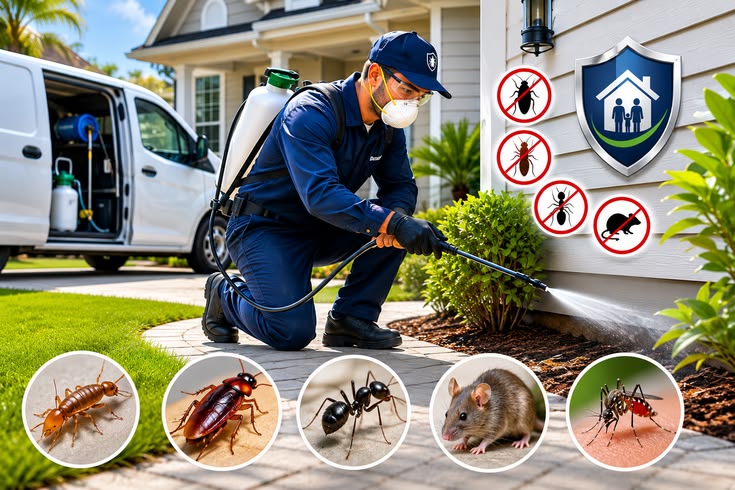
Commercial buildings can attract a wide range of pests because they often provide easy access to food, water, shelter, waste, and warm spaces. Offices, shops, warehouses, restaurants, hotels, and other commercial properties can experience problems with cockroaches, rodents, ants, flies, termites, and mosquitoes.
A pest infestation in a commercial property can affect employees, customers, stored products, hygiene standards, and the reputation of the business. Regular cleaning and preventive pest management are essential for keeping commercial buildings safe and pest-free.
Understanding the common causes of commercial pest problems can help business owners take effective preventive measures.
Why Do Pests Enter Commercial Buildings?
Pests enter commercial properties in search of food, water, shelter, and suitable places to hide or reproduce.
Common factors that attract pests include:
- Food waste
- Open garbage bins
- Water leaks
- Unclean drains
- Cluttered storage areas
- Cracks and gaps
- Poor sanitation
- Unmaintained outdoor areas
Identifying these risk factors early can help reduce pest activity.
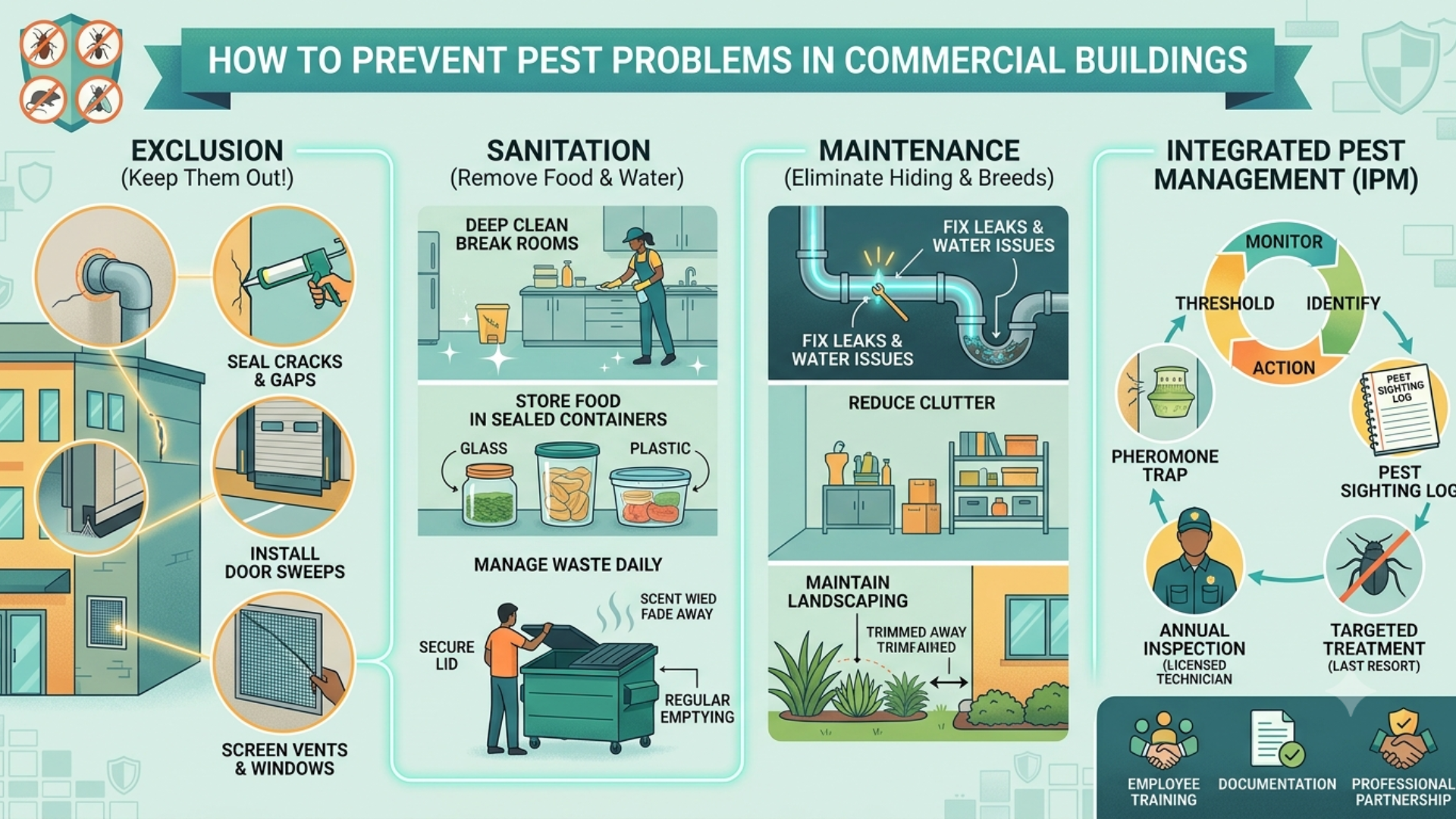
1. Maintain Proper Cleanliness
Regular cleaning is one of the most important steps in commercial pest prevention.
Businesses should regularly clean:
- Floors
- Workspaces
- Kitchens
- Storage areas
- Food preparation surfaces
- Common areas
Removing food particles and waste reduces potential food sources for pests.
2. Manage Waste Properly
Improper waste management can quickly attract cockroaches, flies, rats, and other pests.
Make sure:
- Garbage bins have secure lids
- Waste is removed regularly
- Food waste is not left overnight
- Garbage storage areas are cleaned frequently
Proper waste management helps reduce pest attraction.
3. Store Food Correctly
Restaurants, hotels, cafes, grocery stores, and other food-related businesses need to pay particular attention to food storage.
Keep food:
- In sealed containers
- Away from walls where appropriate
- Off the floor
- Properly organized
- Protected from pests
Regularly check stored food and packaging for signs of pest activity.
4. Fix Water Leaks Quickly
Moisture can attract many types of pests.
Inspect:
- Pipes
- Taps
- Sinks
- Bathrooms
- Air-conditioning areas
- Drainage systems
Repair leaks promptly and prevent unnecessary water accumulation.
5. Keep Drains Clean
Dirty or blocked drains can provide food, moisture, and shelter for certain pests.
Regularly maintain:
- Floor drains
- Kitchen drains
- Bathroom drains
- Wastewater areas
Good drain hygiene can help reduce insect activity.
6. Seal Cracks and Entry Points
Pests can enter commercial buildings through very small openings.
Inspect areas around:
- Doors
- Windows
- Pipes
- Electrical lines
- Walls
- Ventilation openings
Seal suitable gaps and maintain doors and windows properly.
7. Keep Storage Areas Organized
Cluttered storage spaces can provide hiding places for rodents, cockroaches, and other pests.
Organize:
- Cardboard boxes
- Inventory
- Documents
- Equipment
- Packaging materials
Keep stored items properly arranged and inspect them regularly.
8. Maintain Outdoor Areas
Pest prevention should extend beyond the building itself.
Keep surrounding areas free from:
- Standing water
- Garbage
- Wood debris
- Overgrown vegetation
- Unused containers
- Blocked drains
A well-maintained exterior can reduce the number of pests entering the building.
Common Pests Found in Commercial Buildings
Different businesses may experience different pest problems.
Common commercial pests include:
- Cockroaches – Often found in kitchens, drains, and storage areas.
- Rodents – Can damage wiring, packaging, and stored products.
- Flies – Common around food waste and garbage.
- Ants – Attracted to food and moisture.
- Termites – Can damage wooden structures and furniture.
- Mosquitoes – Common where stagnant water is present.
Identifying the pest correctly is important because each type requires a suitable control approach.
Signs of Pest Activity in Commercial Properties
Business owners and employees should watch for:
- Live insects
- Rodent droppings
- Gnaw marks
- Damaged packaging
- Ant trails
- Mud tubes
- Unusual odors
- Flies gathering around waste
- Pest activity at night
Early detection can prevent a small problem from becoming a larger infestation.
Why Pest Control Is Important for Businesses
Professional pest management can help businesses maintain a cleaner and safer working environment.
Effective pest control can help:
- Protect stored products
- Reduce contamination risks
- Protect property and equipment
- Maintain workplace hygiene
- Improve customer confidence
- Prevent recurring infestations
For food-related businesses, consistent pest prevention is particularly important because pest activity can directly affect food hygiene and business reputation.
Why Regular Pest Inspections Are Important
Even when there are no visible pests, hidden activity may still exist.
Regular inspections can identify:
- Early pest activity
- Potential entry points
- Breeding areas
- Moisture problems
- Structural vulnerabilities
- Conditions that attract pests
Early detection allows businesses to address problems before they become more difficult and expensive to manage.
How HVL Pest Services Can Help
HVL Pest Services provides professional pest control solutions for commercial buildings and businesses.
Their approach includes:
Detailed Inspection
Professionals inspect the property to identify pest activity, entry points, nesting areas, moisture sources, and other risk factors.
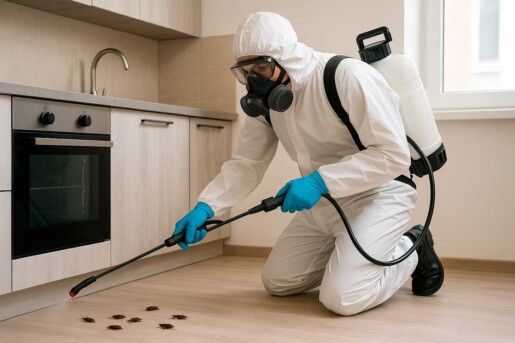
Targeted Treatment
Treatment methods are selected based on the type of pest, affected areas, and level of infestation.
Preventive Recommendations
Experts provide guidance on sanitation, waste management, food storage, moisture control, and property maintenance.
Regular Monitoring
Scheduled inspections can help detect recurring pest activity early and support long-term pest management.
Conclusion
Preventing pests in commercial buildings requires more than occasional cleaning. Proper waste management, food storage, moisture control, drain maintenance, sealing entry points, organized storage, and regular property inspections can significantly reduce the risk of infestations.
However, pests can remain hidden in difficult-to-reach areas even when a building appears clean. Professional pest control and regular inspections can help identify hidden problems, provide targeted treatment, and protect the property over the long term.
A proactive pest management plan can help businesses maintain a cleaner, safer, and more professional environment for employees and customers.