Introduction
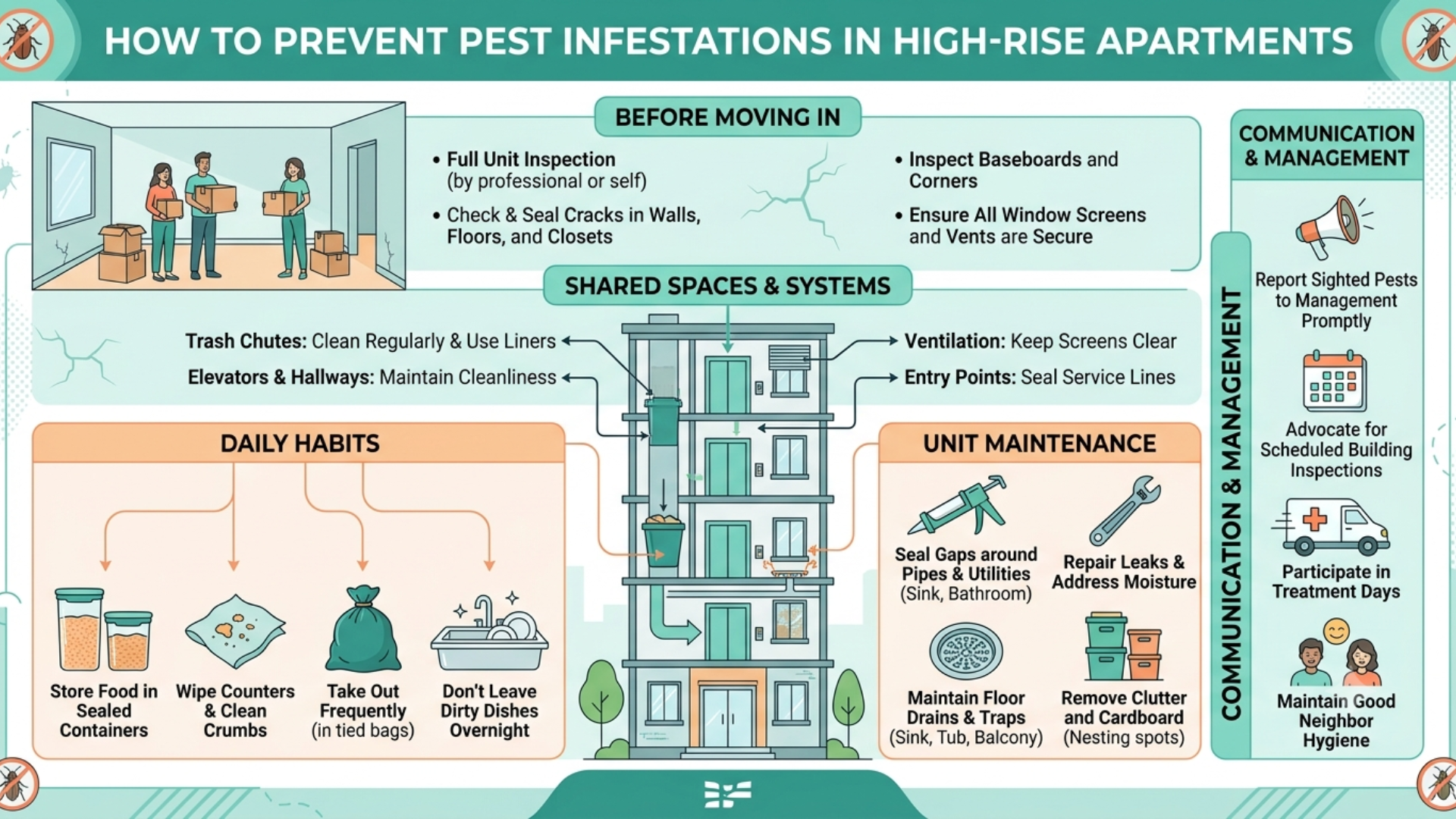
Living in a high-rise apartment offers convenience, security, and modern facilities, but apartments can still face pest problems. Cockroaches, ants, mosquitoes, rodents, termites, and other pests can enter apartments through plumbing systems, ventilation openings, doors, windows, garbage areas, and shared building spaces.
Because multiple households share the same building, a pest problem in one apartment can sometimes spread to nearby units. Proper hygiene, regular maintenance, and professional pest control are therefore important for keeping high-rise apartments clean and pest-free.
Understanding the common causes of apartment pest infestations can help residents take effective preventive measures.
Why Do Pests Enter High-Rise Apartments?
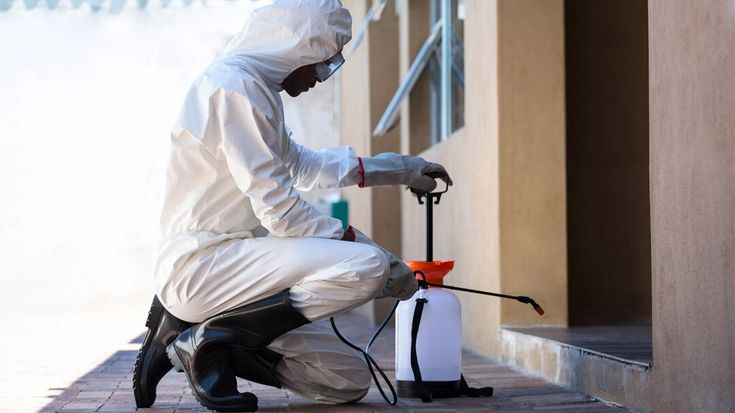
Pests can enter apartments through several pathways and are often attracted by food, moisture, waste, and shelter.
Common factors include:
- Food crumbs and spills
- Uncovered garbage
- Leaking pipes
- Dirty drains
- Cracks and gaps
- Shared garbage areas
- Plumbing openings
- Poorly maintained common areas
Identifying these conditions can help reduce the risk of pest activity.
1. Keep the Kitchen Clean
The kitchen is one of the most common areas where pests appear because it provides food and water.
Clean regularly:
- Kitchen counters
- Floors
- Cabinets
- Appliances
- Sink areas
- Dining spaces
Wipe food spills immediately and avoid leaving dirty dishes for long periods.
2. Store Food Properly
Open food can attract ants, cockroaches, and rodents.
Keep food:
- In airtight containers
- Properly sealed
- Away from moisture
- Inside clean cabinets
Do not leave snacks, fruits, or cooked food uncovered for extended periods.
3. Keep Garbage Bins Covered
Apartment garbage areas can attract flies, cockroaches, rodents, and other pests.
Inside your apartment:
- Use bins with lids
- Empty garbage regularly
- Clean the bin when necessary
- Avoid storing food waste for long periods
Proper waste management helps reduce pest attraction.
4. Maintain Bathroom and Kitchen Drains
Pests can move through poorly maintained drainage systems.
Regularly check:
- Kitchen sinks
- Bathroom drains
- Floor drains
- Utility areas
Keep drains clean and use suitable covers to reduce potential pest entry.
5. Fix Plumbing Leaks
Even a small leak can create enough moisture to attract pests.
Inspect areas around:
- Kitchen sinks
- Bathroom pipes
- Washing machines
- Water connections
- Air-conditioning units
Report building-level plumbing problems to the appropriate maintenance team and repair leaks promptly.
6. Seal Cracks and Openings
Small gaps can provide entry points for insects and rodents.
Inspect around:
- Doors
- Windows
- Pipes
- Electrical fittings
- Walls
- Cabinets
Seal suitable cracks and gaps to reduce pest entry.
7. Keep Balconies Clean
Balconies can collect standing water, leaves, dust, and unused items.
Regularly remove:
- Fallen leaves
- Water-filled containers
- Unused boxes
- Organic waste
- Other debris
Keeping balconies clean helps reduce potential pest breeding areas.
8. Protect Windows and Doors
Mosquitoes, flies, and other insects can enter through open windows and doors.
Consider using properly fitted screens and check them regularly for:
- Holes
- Tears
- Loose edges
- Gaps
Properly maintained screens can reduce indoor insect activity.
Common Pests Found in Apartments
Apartment residents may commonly encounter:
- Cockroaches – Often found near kitchens, bathrooms, and drains.
- Ants – Attracted to food crumbs, sugary substances, and moisture.
- Mosquitoes – Can breed around stagnant water.
- Rodents – May enter through gaps, garbage areas, and utility spaces.
- Termites – Can damage wooden furniture and structures.
- Flies – Common around garbage and food waste.
Different pests require different prevention and treatment approaches.
Signs of a Pest Infestation in an Apartment
Residents should watch for:
- Live insects
- Pest droppings
- Ant trails
- Cockroaches appearing at night
- Rodent scratching sounds
- Damaged food packaging
- Mud tubes
- Unusual odors
- Increased mosquito activity
Early detection can help prevent the problem from spreading.
How to Prevent Pests From Spreading Between Apartments
In apartment buildings, pest prevention often requires cooperation between residents and building management.
Important measures include:
1. Maintain Common Areas
Garbage rooms, corridors, parking areas, and shared spaces should be kept clean and properly maintained.
2. Report Pest Activity Early
If pests are noticed in common areas or inside an apartment, report the issue promptly to building management.
3. Avoid Leaving Food in Common Areas
Food waste and uncovered food can attract pests and increase the risk of infestation.
4. Coordinate Professional Treatment
When infestations affect multiple apartments, coordinated pest control can be more effective than treating only one unit.
Why Professional Pest Control Is Important
Apartment pest problems can be difficult to control because pests may move through shared walls, plumbing systems, garbage areas, and other building structures.
Professional pest control can provide:
- Detailed inspection
- Identification of pest activity
- Detection of entry points
- Targeted treatment
- Preventive recommendations
- Follow-up monitoring
Professional assessment helps identify both the visible infestation and potential sources of recurring pest activity.
How HVL Pest Services Can Help
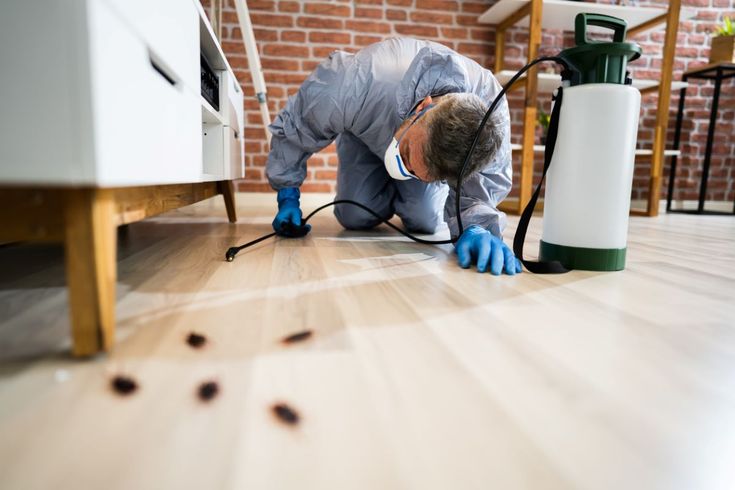
HVL Pest Services provides professional pest management solutions for apartments, flats, residential buildings, and commercial properties.
Their approach includes:
Detailed Inspection
Professionals inspect the apartment and relevant areas to identify pest activity, moisture sources, hiding places, and entry points.
Targeted Treatment
Treatment methods are selected based on the type of pest and severity of the infestation.
Preventive Recommendations
Experts provide guidance on hygiene, food storage, waste management, moisture control, and sealing potential entry points.
Regular Monitoring
Periodic inspections can help detect recurring pest activity and support long-term pest prevention.
Conclusion
Pest infestations in high-rise apartments can develop because of food waste, moisture, poor drainage, cracks, shared garbage areas, and building-level maintenance issues. Keeping kitchens and bathrooms clean, storing food properly, managing garbage, fixing leaks, maintaining balconies, and sealing entry points can significantly reduce pest risks.
Because apartments share walls, plumbing systems, and common areas, early reporting and coordinated pest management are particularly important. If pest activity continues despite preventive measures, professional pest inspection and treatment can help identify the source and provide a more effective long-term solution.