Introduction
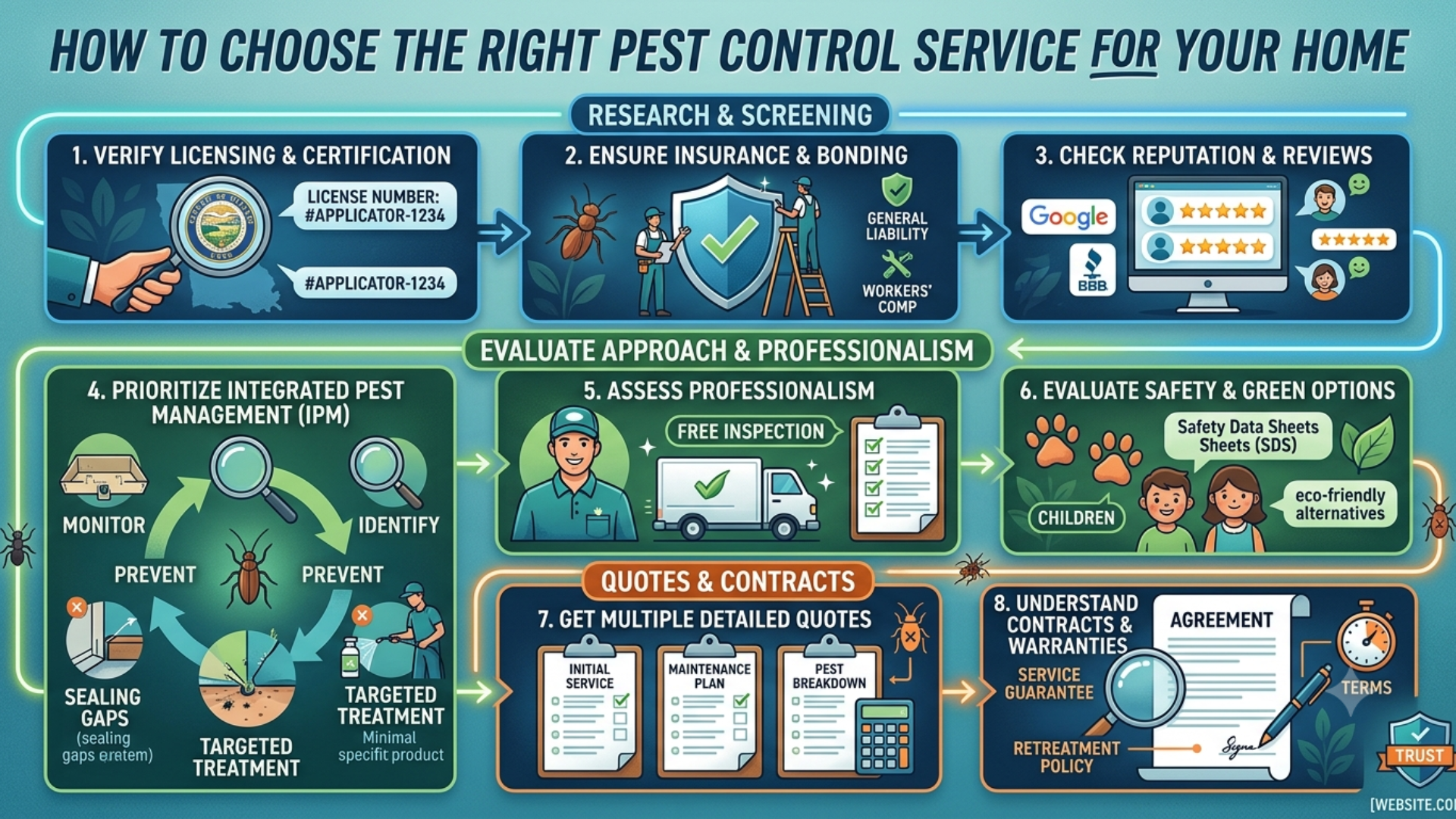
Choosing the right pest control service is important when dealing with cockroaches, termites, ants, mosquitoes, rodents, bed bugs, or other household pests. While many pest control companies offer similar services, their experience, treatment methods, safety practices, and approach to pest management can vary.
A reliable pest control service should not only focus on eliminating visible pests but also identify the source of the infestation and provide preventive solutions to reduce the chances of pests returning.
Understanding what to look for before hiring a pest control company can help homeowners make a better decision and protect their property effectively.
Why Is Choosing the Right Pest Control Service Important?
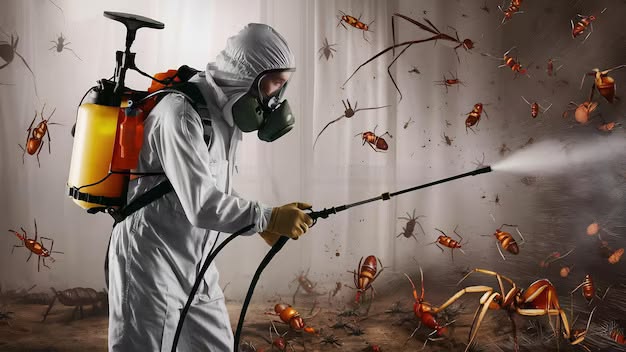
A pest infestation can affect your property’s hygiene, comfort, furniture, food, and structural components. Choosing an experienced pest control provider can help ensure that the problem is properly inspected and treated.
A professional service can help with:
- Identifying the correct pest
- Finding hidden infestation areas
- Selecting suitable treatment methods
- Reducing pest activity
- Preventing future infestations
- Protecting residential and commercial properties
Choosing the right provider can also help avoid ineffective treatments and unnecessary repeat applications.
1. Check Their Pest Control Experience
Experience is an important factor when choosing a pest control company.
Look for a service provider with experience handling common pests such as:
- Cockroaches
- Termites
- Ants
- Mosquitoes
- Rodents
- Bed bugs
- Flies
Experienced professionals are more likely to understand pest behavior and identify suitable control strategies.
2. Choose a Company That Provides Inspection
A good pest control service should inspect the property before recommending treatment.
The inspection should consider:
- Pest activity
- Nesting areas
- Entry points
- Moisture sources
- Food sources
- Structural vulnerabilities
Inspection helps ensure that treatment is based on the actual cause of the infestation.
3. Ask About the Treatment Method
Different pests require different approaches.
For example, termite control may involve protecting wooden structures and potential entry points, while cockroach control may focus on kitchens, drains, cracks, and hiding areas.
Ask the pest control provider about:
- Treatment methods
- Areas that will be treated
- Preparation requirements
- Follow-up procedures
- Preventive measures
Understanding the process helps homeowners know what to expect.
4. Consider Safety Measures
Pest control treatments should be carried out responsibly and according to applicable product directions and safety requirements.
Before treatment, ask about:
- Product usage
- Required precautions
- Re-entry instructions
- Food protection
- Pets and children
- Ventilation requirements
A professional company should clearly explain any precautions customers need to follow.
5. Look for Customized Pest Control Solutions
Every property is different, so a one-size-fits-all treatment may not always be appropriate.
A professional pest control service should consider:
- Property size
- Type of pest
- Infestation level
- Location of the infestation
- Building structure
- Previous pest treatments
Customized solutions can improve the effectiveness of pest management.
6. Check Whether Preventive Advice Is Provided
Effective pest control should not stop at eliminating visible pests.
Professionals should also help identify conditions that may attract pests, such as:
- Moisture
- Food waste
- Poor drainage
- Cracks and gaps
- Clutter
- Unprotected storage
Preventive recommendations can help reduce the chances of future infestations.
7. Consider Regular Pest Management
Some properties may require periodic pest inspections or preventive treatments.
Regular pest management can be particularly useful for:
- Restaurants
- Hotels
- Offices
- Warehouses
- Apartments
- Large residential properties
A scheduled pest management plan can help identify problems before they become severe.
8. Check Reviews and Reputation
Before choosing a pest control company, research its reputation.
Consider:
- Customer reviews
- Service experience
- Areas served
- Types of pest control offered
- Professional communication
- Treatment information
Customer feedback can provide useful insights into the service experience, although individual reviews should be considered carefully.
Questions to Ask Before Hiring a Pest Control Company
Before booking a service, homeowners can ask:
- What type of pest is affecting my property?
- Will you inspect the property before treatment?
- What treatment method will be used?
- How should I prepare the property?
- Are follow-up treatments required?
- What preventive measures should I take?
- How long should I avoid treated areas?
- Do you provide regular pest inspection services?
Clear answers can help you understand the treatment process.
Common Mistakes to Avoid
Homeowners should avoid choosing a pest control provider based only on the lowest price.
Other common mistakes include:
- Hiring without checking the service details
- Choosing a company without proper inspection
- Expecting instant permanent results
- Ignoring preventive recommendations
- Using multiple DIY chemicals before professional treatment
- Not following post-treatment instructions
The goal should be effective and responsible pest management rather than simply choosing the cheapest service.
When Should You Hire Professional Pest Control?
Professional pest control may be necessary when:
- Pests keep returning
- The infestation is spreading
- DIY methods are not working
- You notice termite damage
- Rodents are entering the property
- Bed bugs are detected
- Large numbers of insects are present
- The pest source cannot be identified
Early professional intervention can help prevent the problem from becoming more difficult to manage.
How HVL Pest Services Can Help
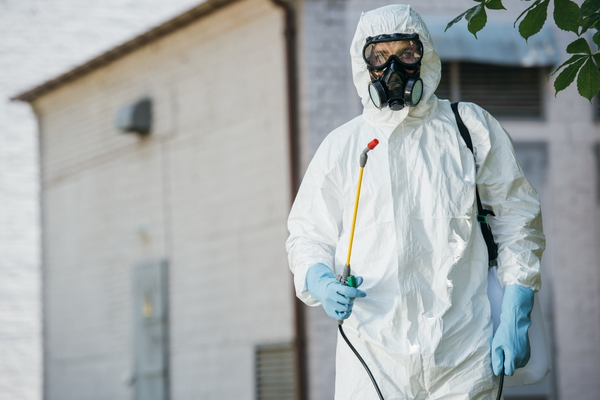
HVL Pest Services provides professional pest management solutions for residential and commercial properties.
Their approach includes:
Detailed Inspection
Professionals inspect the property to identify the pest, infestation areas, entry points, moisture sources, and other contributing factors.
Customized Treatment
Treatment methods are selected according to the type of pest, property conditions, and level of infestation.
Preventive Recommendations
Experts provide practical guidance on sanitation, moisture control, food storage, property maintenance, and potential entry points.
Follow-Up Support
Where necessary, follow-up inspections or additional treatments can help monitor pest activity and support long-term control.
Conclusion
Choosing the right pest control service is an important decision for protecting your home or business. Experience, property inspection, suitable treatment methods, safety practices, customized solutions, and preventive guidance are all important factors to consider.
Instead of focusing only on price, homeowners should choose a pest control provider that understands the source of the infestation and provides a systematic approach to pest management.
With professional inspection, targeted treatment, and proper prevention, you can reduce pest activity and maintain a cleaner, safer, and more comfortable property.