
How to Identify Early Signs of a Pest Infestation at Home – Complete Guide
How to Identify Early Signs of a Pest Infestation at Home
Introduction
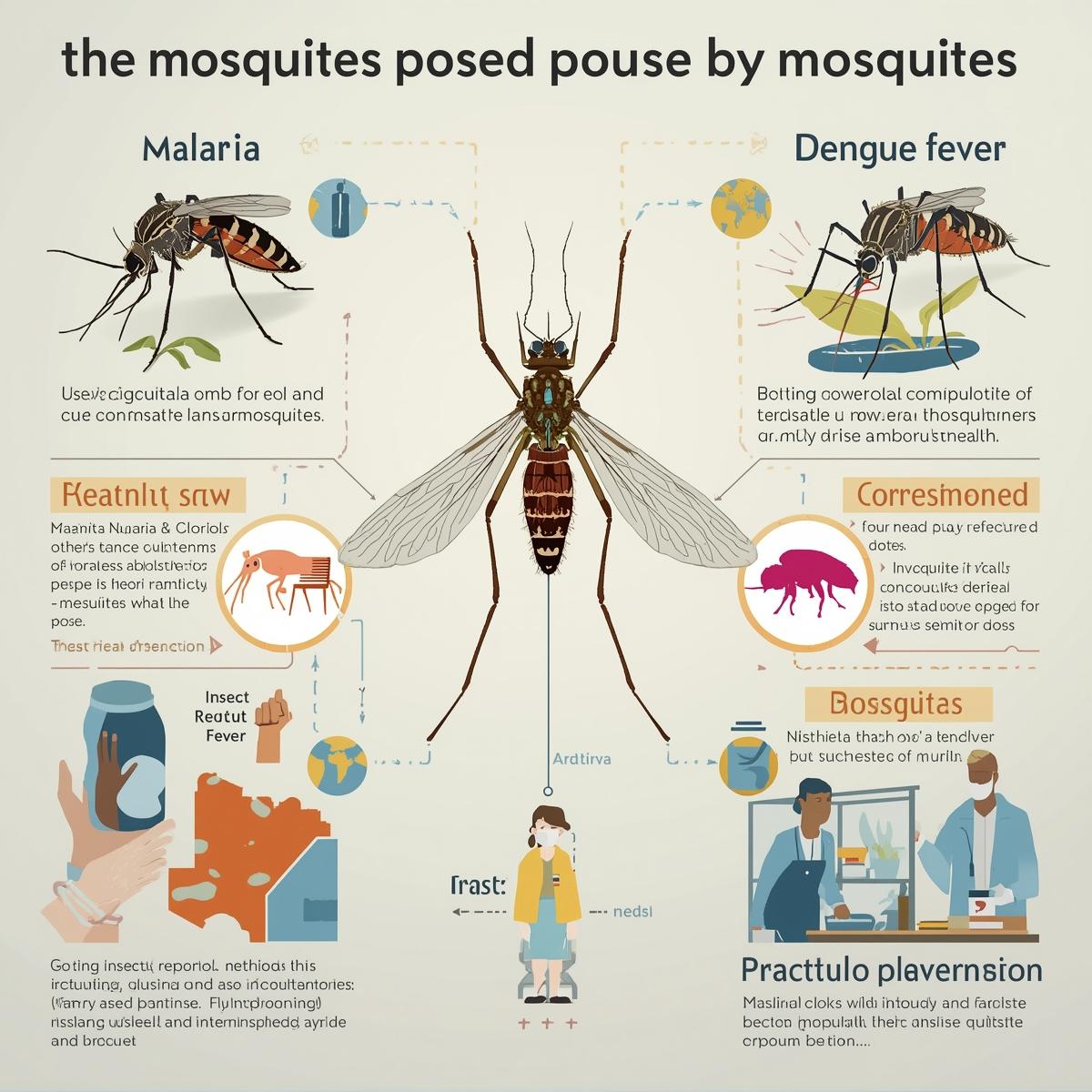
Pests can invade your home without being noticed, often hiding in walls, ceilings, kitchens, basements, or storage areas. By the time you see them, the infestation may already be severe. Identifying the early signs of a pest infestation can help you take quick action, reduce property damage, and protect your family’s health.
In this guide, we’ll discuss the common warning signs of a pest infestation and explain when it’s time to seek professional pest control services.
Why Early Pest Detection Is Important
Many pests reproduce quickly and remain hidden during the early stages of an infestation. Detecting them early can help you:
- Prevent costly property damage
- Protect food from contamination
- Reduce health risks caused by pests
- Avoid large-scale infestations
- Save money on future pest control treatments
Regular inspections can help keep your home safe and pest-free.
1. Pest Droppings Around Your Home
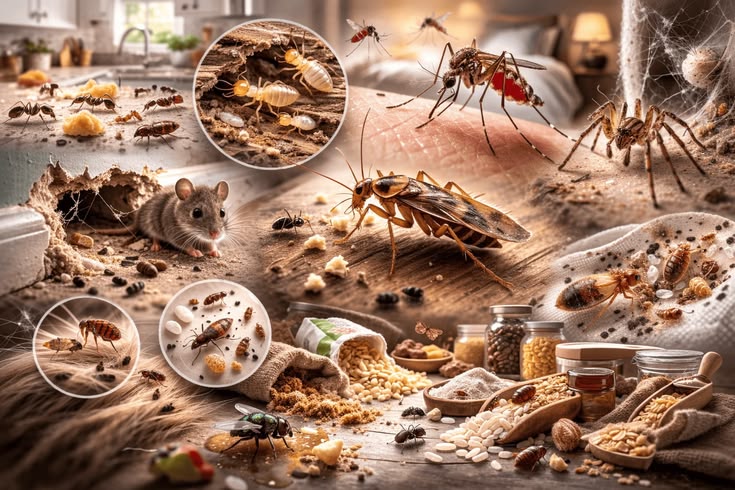
One of the earliest signs of a pest infestation is finding droppings.
Common places include:
- Kitchen cabinets
- Pantry shelves
- Behind appliances
- Under sinks
- Storage rooms
Different pests leave different types of droppings, which can help professionals identify the infestation.
2. Unusual Sounds Inside Walls or Ceilings
If you hear scratching, chewing, or scurrying sounds, especially at night, it could indicate rodents or other pests hiding inside your walls or attic.
These sounds should never be ignored, as they often indicate an active infestation.
3. Damage to Furniture, Wires, or Wooden Structures
Some pests silently damage your property.
Look for:
- Chewed electrical wires
- Holes in wooden furniture
- Damaged cardboard boxes
- Torn fabrics or papers
- Hollow-sounding wood
Termites and rodents are common causes of this type of damage.
4. Strange or Unpleasant Odors
Persistent odors without an obvious source may indicate pest activity.
Examples include:
- Musty smells from cockroaches
- Strong ammonia-like odors from rodents
- Foul smells from dead pests hidden inside walls
5. Grease Marks and Smudge Trails
Rodents often leave greasy marks along walls, pipes, and baseboards because of the oil in their fur.
These marks usually appear in areas where rodents travel frequently.
6. Mud Tubes or Small Holes
Mud tubes on walls or foundations are a common sign of termite activity.
You may also notice:
- Tiny holes in wood
- Cracked paint
- Weak wooden structures
Early termite detection can prevent expensive repairs.
7. Shed Wings or Insect Skins
Many insects shed their wings or outer skin as they grow.
Watch for:
- Discarded termite wings near windows
- Cockroach skins
- Insect shells in dark corners
These are clear signs that pests are breeding inside your home.
8. Increased Pest Sightings
Seeing one cockroach or ant occasionally may not seem serious, but frequent sightings usually indicate a larger hidden colony.
If pests appear regularly during the day, the infestation may already be severe.
9. Bite Marks or Skin Irritation
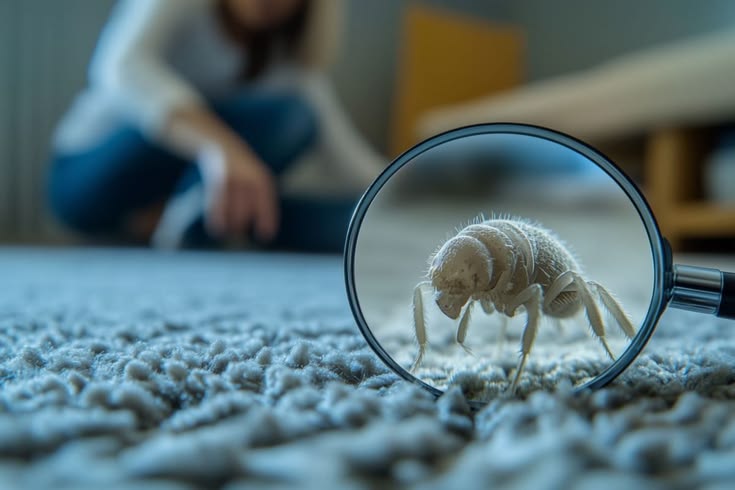
If family members wake up with itchy bites or skin irritation, hidden pests such as bed bugs or fleas could be present.
Repeated bites should be investigated immediately.
10. Nests or Nesting Materials
Rodents often build nests using:
- Paper
- Fabric
- Dry leaves
- Insulation materials
Finding nests in storage rooms, garages, or behind appliances is a strong sign of infestation.
How to Prevent Pest Infestation
You can reduce the chances of pest problems by following these simple tips:
- Keep your home clean and clutter-free
- Store food in airtight containers
- Dispose of garbage daily
- Fix leaking pipes and reduce moisture
- Seal cracks, gaps, and entry points
- Schedule regular pest inspections
Preventive maintenance is always more effective than dealing with a severe infestation.
How Professional Pest Control Helps
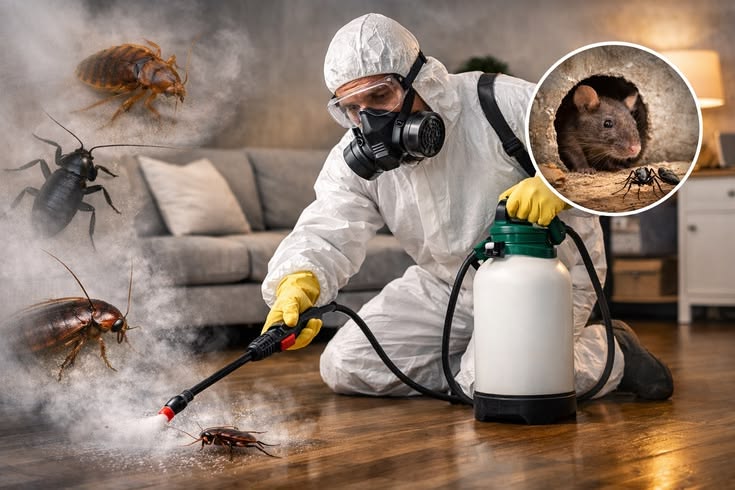
Professional services like HVL Pest Services provide comprehensive pest inspection and treatment solutions.
Their process includes:
- Detailed Inspection – Identifying hidden pest activity and entry points.
- Pest Identification – Determining the type of pest and level of infestation.
- Targeted Treatment – Using safe and effective methods to eliminate pests.
- Preventive Solutions – Providing long-term protection to prevent future infestations.
Professional pest control ensures complete pest management while keeping your home safe for your family and pets.
Conclusion
Early detection is the key to preventing serious pest infestations. Signs such as droppings, unusual noises, damaged furniture, foul odors, and frequent pest sightings should never be ignored. Taking action at the right time can save you from expensive repairs and health risks.
If you notice any of these warning signs, scheduling a professional pest inspection is the best way to protect your home and enjoy long-term peace of mind.