
The Importance of Pest Control for Restaurants and Food Businesses – Complete Guide
The Importance of Pest Control for Restaurants and Food Businesses
Introduction
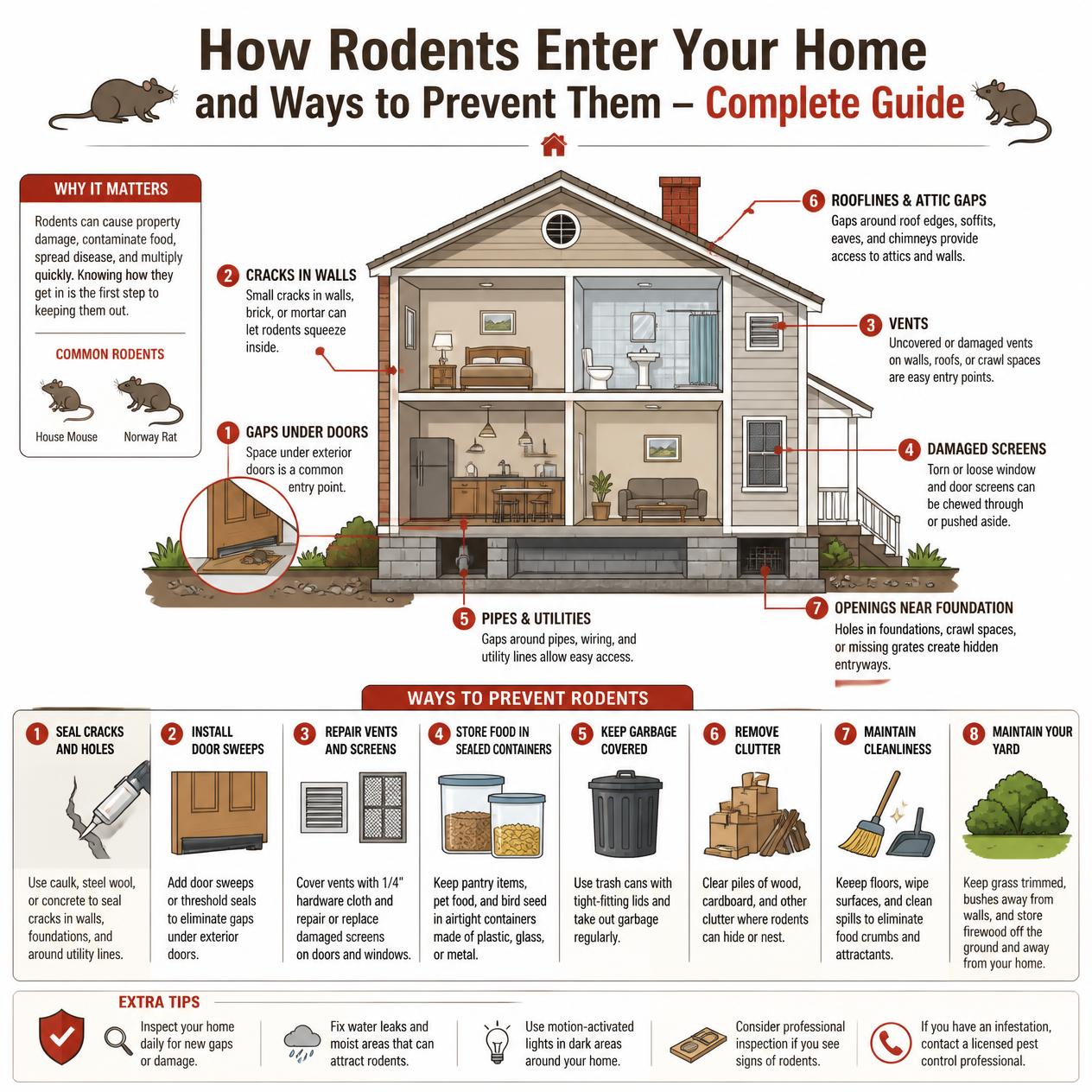
Cleanliness and food safety are essential for every restaurant, café, hotel, bakery, and food business. However, even the cleanest kitchens can attract pests such as cockroaches, rodents, flies, ants, and stored-product insects if proper preventive measures are not taken. These pests can contaminate food, damage property, and negatively impact a business’s reputation.
Regular pest control is not just a good practice—it is a necessity for maintaining hygiene, protecting customers, and ensuring smooth business operations.

Why Are Restaurants More Prone to Pest Infestations?
Food businesses provide everything pests need to survive:
- Fresh food and food waste
- Water and moisture
- Warm kitchen environments
- Storage areas
- Garbage disposal sections
Without proper pest management, these conditions can quickly lead to infestations.
Common Pests Found in Restaurants
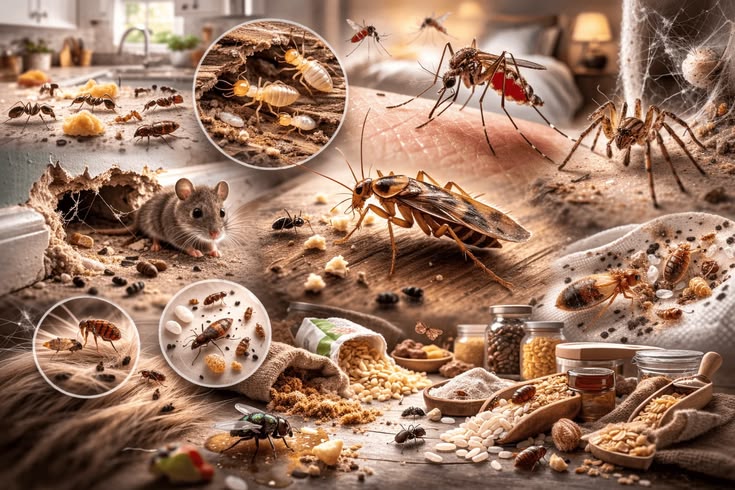
Some of the most common pests in restaurants include:
- Cockroaches
- Rodents (Rats and Mice)
- Ants
- Flies
- Mosquitoes
- Stored-product pests (beetles and moths)
Each of these pests can create serious hygiene and food safety issues.
Why Pest Control Is Important for Restaurants and Food Businesses
1. Protects Food Safety
Pests contaminate food with bacteria, droppings, urine, and saliva.
This can result in:
- Food contamination
- Foodborne illnesses
- Unsafe food preparation
Maintaining a pest-free kitchen protects both customers and staff.
2. Prevents Health Risks
Pests are known carriers of harmful diseases.
For example:
- Cockroaches spread bacteria and allergens.
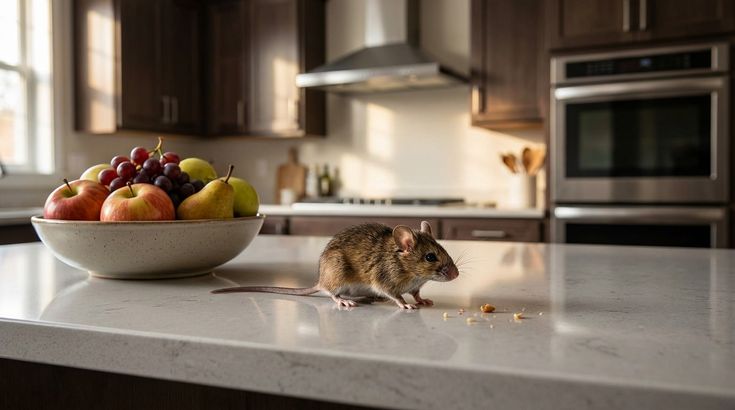
- Rodents contaminate food and surfaces.
- Flies transfer germs from waste to food.
Regular pest control helps create a healthier environment.
3. Protects Business Reputation
Customers expect restaurants to maintain high hygiene standards.
Even a single pest sighting can lead to:
- Negative online reviews
- Customer complaints
- Loss of trust
- Reduced business
A clean, pest-free restaurant builds customer confidence.
4. Prevents Property Damage
Certain pests can damage business assets.
Examples include:
- Rodents chewing electrical wiring
- Termites damaging wooden furniture
- Pests contaminating stored food products
Preventive pest control reduces maintenance and repair costs.
5. Helps Maintain Food Quality
Proper pest control protects:
- Raw ingredients
- Prepared food
- Packaged products
- Storage areas
This ensures consistent food quality and reduces waste.
6. Supports Hygiene Standards
Restaurants must maintain clean and hygienic conditions throughout their operations.
Regular pest control helps maintain:
- Kitchen cleanliness
- Dining area hygiene
- Safe food storage
- Clean waste disposal areas
7. Reduces Business Interruptions
Severe pest infestations may require temporary closure for deep cleaning and treatment.
Routine pest control minimizes disruptions and keeps business operations running smoothly.
Signs Your Restaurant Needs Pest Control
Watch for these warning signs:
- Cockroach sightings
- Rodent droppings
- Damaged food packaging
- Unpleasant odors
- Fly activity near food preparation areas
- Gnaw marks on furniture or wires
Immediate action helps prevent larger infestations.
Preventive Measures for Restaurants
You can reduce pest problems by following these practices:
- Clean kitchens and dining areas daily
- Store food in airtight containers
- Dispose of garbage regularly
- Keep drains clean
- Repair leaking pipes
- Seal cracks and entry points
- Inspect storage rooms frequently
Consistent maintenance is key to long-term pest prevention.
How Professional Pest Control Helps
Professional services like HVL Pest Services offer customized pest management solutions for restaurants and food businesses.
Their services include:
- Detailed Inspection – Identifying pest activity and high-risk areas.
- Customized Treatment Plans – Safe solutions based on the type of infestation.
- Preventive Pest Management – Reducing the risk of future infestations.
- Regular Monitoring – Scheduled inspections for continuous protection.
Professional pest control helps restaurants maintain a clean, safe, and compliant environment.
Conclusion
Pest control is an essential part of running a successful restaurant or food business. It protects food quality, customer health, business reputation, and property while ensuring a clean and hygienic environment.
By combining proper sanitation with regular professional pest control services, restaurant owners can prevent infestations, avoid costly disruptions, and provide a safe dining experience for every customer.