
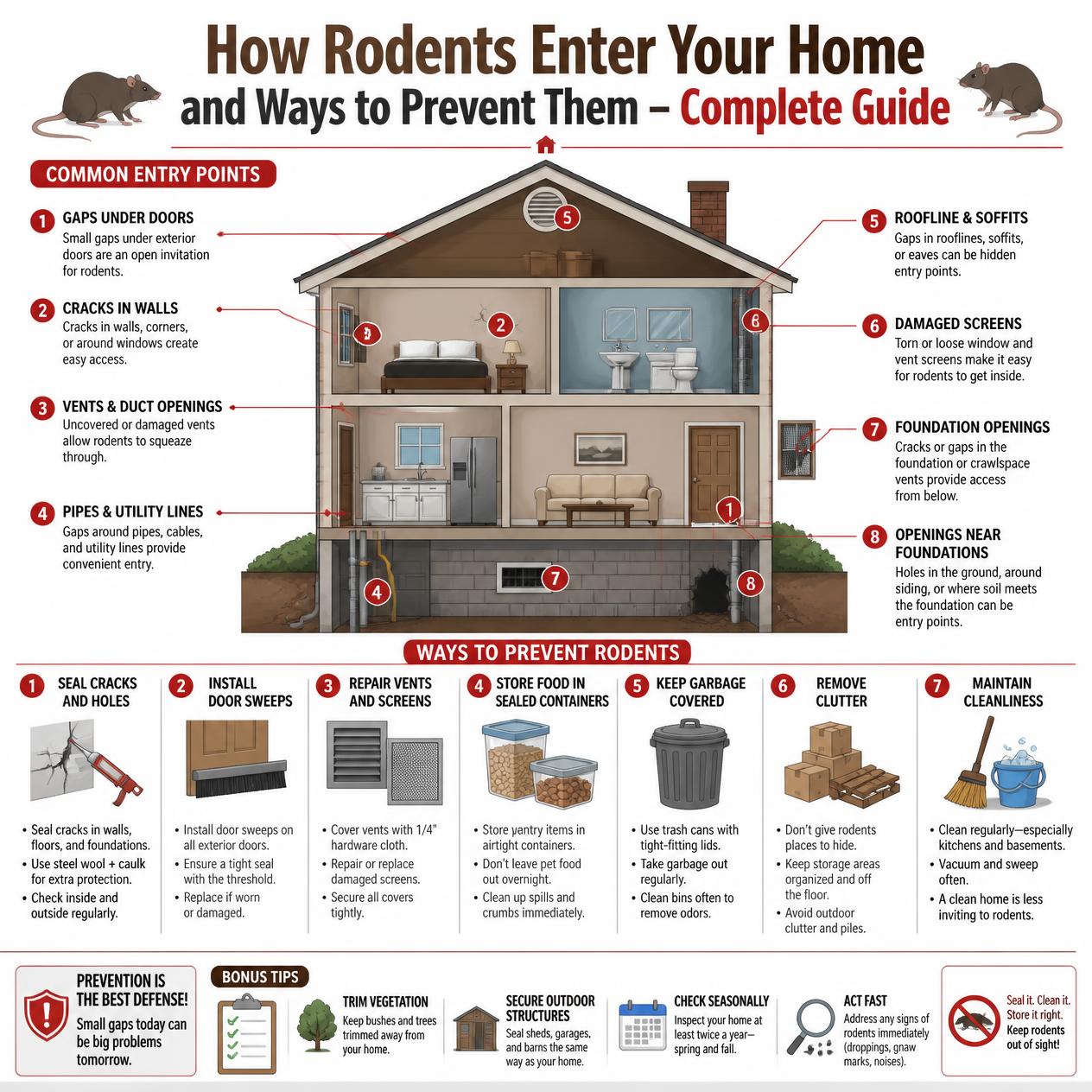
How to Protect Your Office from Pest Infestations – Complete Guide
How to Protect Your Office from Pest Infestations
Introduction
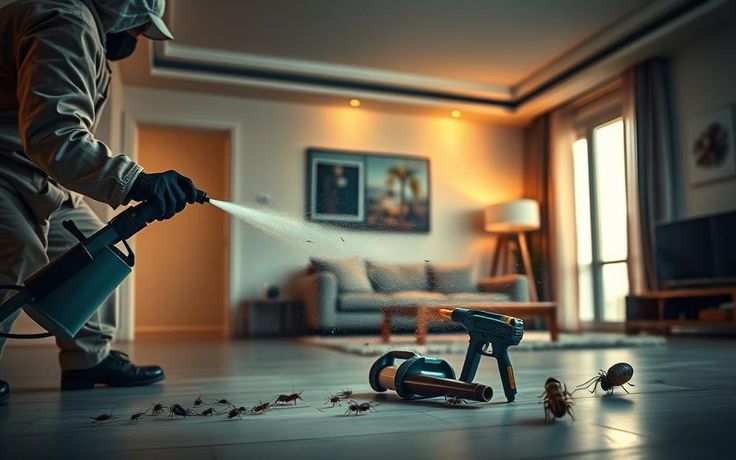
A clean and pest-free office is essential for maintaining a healthy, productive, and professional work environment. Pests such as cockroaches, rodents, ants, termites, and mosquitoes can invade offices in search of food, water, and shelter. If left untreated, they can damage office property, contaminate workspaces, and even affect employee health and business reputation.
Understanding how to protect your office from pest infestations can help ensure a safe and comfortable workplace for everyone.
Why Offices Are Prone to Pest Infestations
Offices may attract pests due to:
- Food crumbs in workstations and pantries
- Overflowing garbage bins
- Moisture from leaking pipes
- Cluttered storage rooms
- Gaps around doors, windows, and utility lines
Without proper maintenance, these conditions can encourage pests to settle and multiply.
Common Pests Found in Offices
The most common office pests include:
- Cockroaches
- Rodents (Rats and Mice)
- Ants
- Termites
- Mosquitoes
- Flies
Each of these pests can create hygiene problems and damage office property.
Effective Ways to Protect Your Office from Pest Infestations
1. Keep the Office Clean
Cleanliness is the first step in preventing pests.
- Clean desks and workstations daily
- Wipe pantry surfaces regularly
- Remove food crumbs immediately
- Vacuum carpets frequently
A clean office reduces food sources that attract pests.
2. Store Food Properly
Many office pest problems begin in pantry areas.
To prevent infestations:
- Store snacks in airtight containers
- Avoid leaving food uncovered
- Clean refrigerators regularly
- Remove expired food items
Proper food storage discourages pests like ants and cockroaches.
3. Manage Waste Effectively
Garbage bins attract pests if not handled properly.
Best practices include:
- Use bins with tight-fitting lids
- Empty trash daily
- Clean garbage bins regularly
- Keep waste collection areas clean
Good waste management helps maintain office hygiene.
4. Eliminate Moisture
Moisture attracts many household pests.
Check for:
- Leaking taps
- Broken pipes
- Water accumulation
- Damp walls
Repairing moisture issues makes the office less attractive to pests.
5. Seal Entry Points
Pests can enter through tiny openings.
Inspect and seal:
- Cracks in walls
- Gaps around doors and windows
- Openings around electrical and plumbing lines
- Damaged vents
Blocking entry points helps prevent infestations.
6. Keep Storage Areas Organized
Storage rooms often become hiding places for pests.
Reduce the risk by:
- Removing unnecessary clutter
- Organizing files and boxes
- Keeping shelves clean
- Avoiding direct floor storage
Well-maintained storage areas discourage pest activity.
7. Maintain Outdoor Surroundings
The exterior of your office also plays an important role.
- Trim overgrown plants
- Remove standing water
- Keep drains clean
- Dispose of outdoor waste properly
Clean surroundings reduce the chances of pests entering the building.
8. Educate Employees
Employees can help prevent pest problems by:
- Cleaning up after meals
- Reporting pest sightings immediately
- Keeping personal workspaces tidy
- Following office hygiene practices
A team effort improves pest prevention.
9. Schedule Regular Pest Inspections
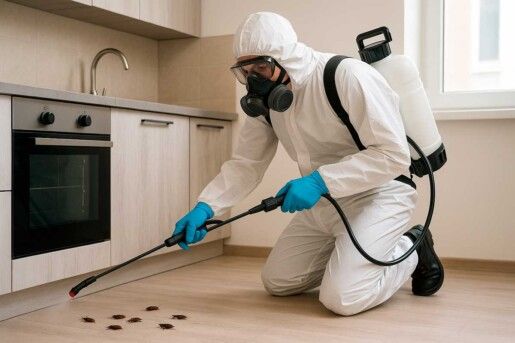
Routine inspections help identify hidden infestations before they become serious.
Professional inspections can:
- Detect pest activity early
- Identify high-risk areas
- Prevent recurring infestations
Preventive inspections are more effective than emergency treatments.
Benefits of Professional Pest Control
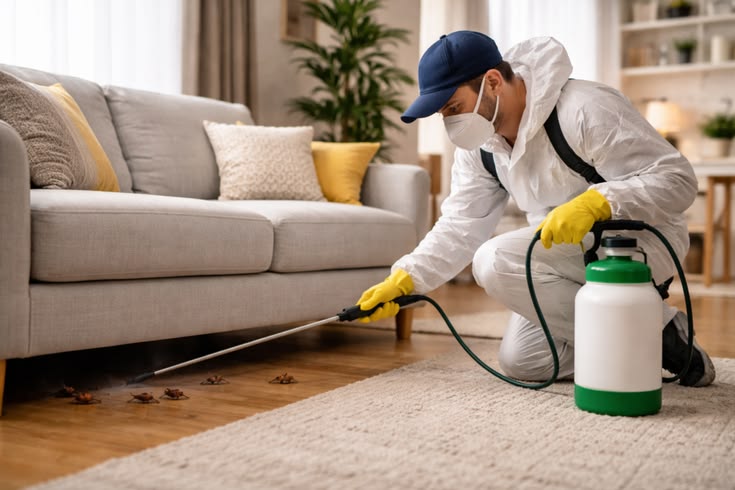
Professional services like HVL Pest Services provide customized pest management solutions for offices.
Their services include:
- Detailed Inspection – Identifying pest activity and entry points.
- Customized Treatment – Safe treatments based on office requirements.
- Preventive Pest Management – Long-term protection against future infestations.
- Regular Monitoring – Scheduled maintenance to keep the workplace pest-free.
Professional pest control helps businesses maintain a clean, healthy, and productive work environment.
Conclusion
Protecting your office from pest infestations requires a combination of cleanliness, proper maintenance, and preventive measures. Regular inspections, moisture control, proper waste management, and sealing entry points can significantly reduce the risk of pest problems.
For complete and long-lasting protection, professional pest control services provide the most effective solution, helping your office remain safe, hygienic, and welcoming for employees and visitors alike.