
Introduction
Bed bugs are small, blood-feeding pests that can become a serious problem in homes, apartments, hotels, and other residential spaces. They are difficult to detect because they often hide in mattresses, bed frames, furniture, cracks, and other dark areas during the day.
A bed bug infestation can cause itchy bites, skin irritation, sleep disturbances, and significant discomfort. Since bed bugs can spread quickly from one room to another, identifying the problem early and taking appropriate action is important.
Understanding the causes, warning signs, and prevention methods can help homeowners protect their homes from bed bug infestations.

Why Do Bed Bugs Enter Homes?
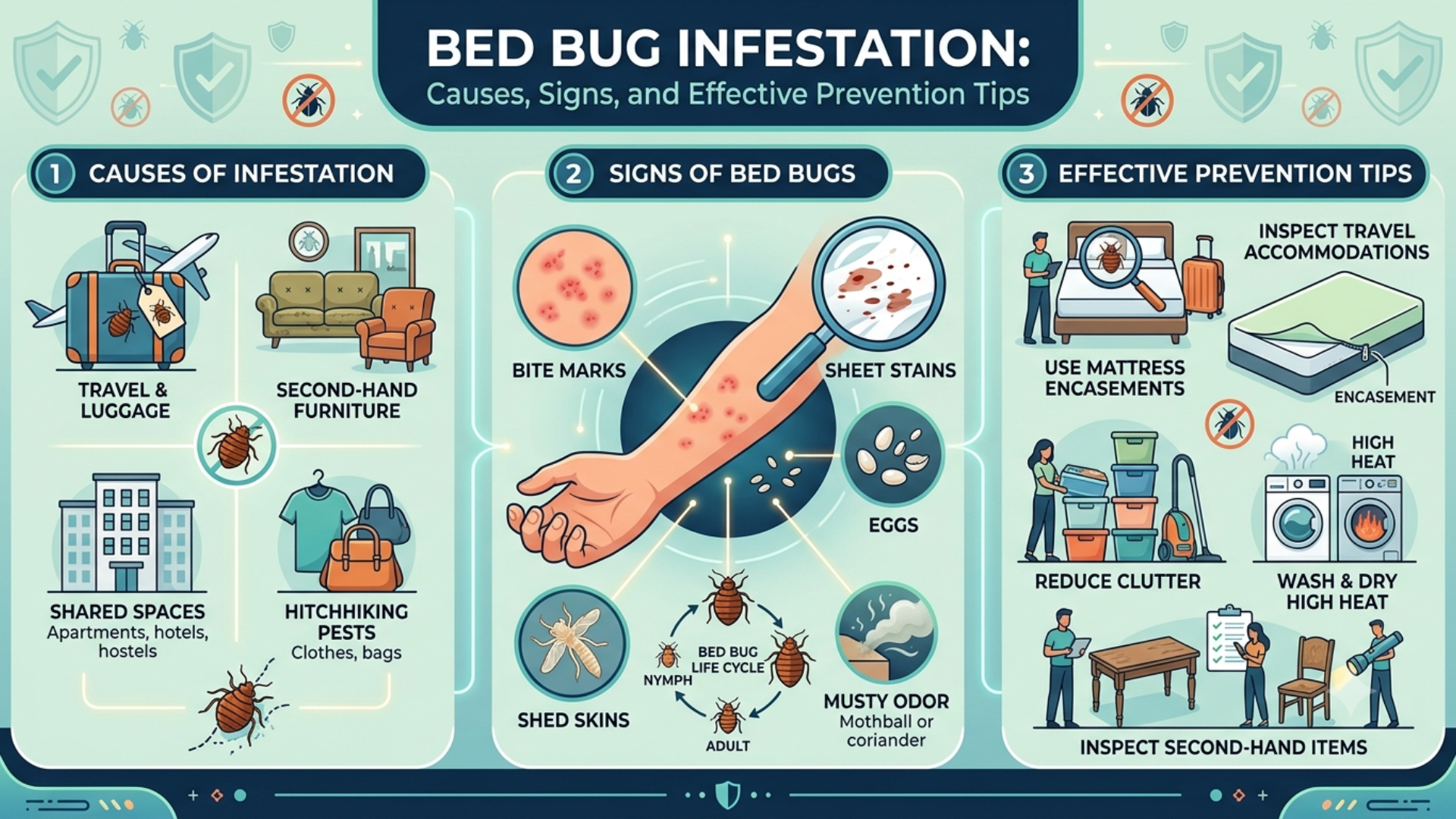
Bed bugs usually enter homes by hiding in luggage, clothing, furniture, mattresses, and other personal belongings. They do not necessarily indicate poor hygiene and can affect even clean homes.
Common ways bed bugs enter homes include:
- Used mattresses and furniture
- Luggage after travelling
- Second-hand clothing
- Backpacks and bags
- Shared accommodation
- Visitors carrying infested belongings
- Cracks and gaps between rooms
Once inside, bed bugs can hide in small spaces and reproduce quickly.
1. Travelling and Hotel Stays
Travelling is one of the common ways bed bugs can spread from one location to another.
Bed bugs can hide inside:
- Suitcases
- Clothing
- Travel bags
- Hotel furniture
- Backpacks
Inspecting luggage and washing clothes after travelling can help reduce the risk of bringing bed bugs into your home.
2. Used Furniture and Mattresses
Second-hand furniture can sometimes carry hidden bed bugs.
Before bringing used items indoors:
- Inspect mattresses carefully
- Check furniture joints and cracks
- Look underneath cushions
- Look for dark spots or insects
- Clean and treat items appropriately
Avoid bringing heavily infested furniture into your home.
3. Clothing and Personal Belongings
Bed bugs can hide in folded clothes, bags, and other personal belongings.
Keep clothing clean and avoid placing bags directly on beds or upholstered furniture when returning from travel.
4. Cracks and Hidden Spaces
Bed bugs are excellent at hiding in small spaces.
Common hiding areas include:
- Mattress seams
- Bed frames
- Headboards
- Wall cracks
- Furniture joints
- Electrical outlet areas
Regular inspection of these areas can help identify an infestation early.
5. Shared Walls in Apartments
Bed bugs can sometimes move between nearby rooms or apartments through cracks, gaps, and wall spaces.
If one apartment has a significant infestation, surrounding units may also require inspection.
Signs of a Bed Bug Infestation
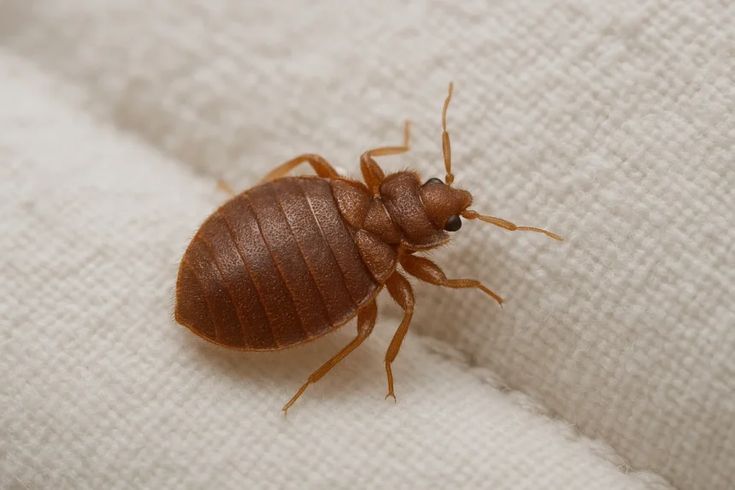
Bed bugs can be difficult to spot, but several warning signs may indicate their presence.
Look for:
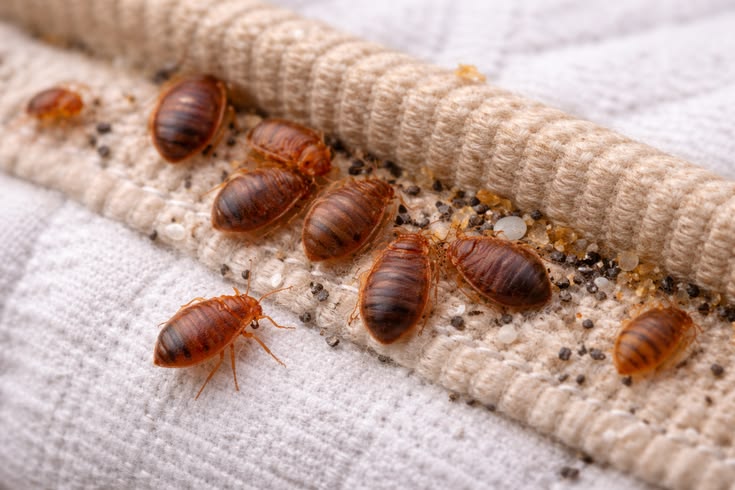
- Small reddish-brown insects
- Dark spots on mattresses
- Tiny blood stains on bedsheets
- Shed insect skins
- Small eggs or eggshells
- Itchy bites, especially after sleeping
- Unusual musty odors in severe infestations
Finding multiple signs should be taken seriously.
Where Do Bed Bugs Hide?
Bed bugs usually stay close to areas where people sleep or rest.
Common hiding places include:
- Mattress seams
- Bed frames
- Headboards
- Sofas
- Curtains
- Carpets
- Cracks in walls
- Furniture joints
Because they can hide in very small spaces, finding every affected area can be challenging without a detailed inspection.
How to Prevent Bed Bug Infestations
Homeowners can follow several preventive measures to reduce the risk of bed bugs.
1. Inspect Luggage After Travelling
After returning from a trip, inspect your luggage before storing it.
Check:
- Zippers
- Seams
- Pockets
- Corners
- Wheels and handles
Wash travel clothing appropriately and avoid placing luggage directly on beds.
2. Inspect Second-Hand Furniture
Always inspect used furniture before bringing it indoors.
Pay particular attention to:
- Joints
- Cracks
- Undersides
- Upholstery
- Mattress seams
3. Wash Bedding Regularly
Regularly clean bedsheets, pillow covers, blankets, and other bedding materials.
Following appropriate washing and drying practices can help reduce the risk of bed bug activity.
4. Reduce Clutter Around Beds
Clutter gives bed bugs additional places to hide.
Keep:
- Floors clean
- Storage areas organized
- Clothing properly stored
- Items away from the bed where possible
5. Inspect Your Mattress Regularly
Check mattress seams and edges for:
- Dark spots
- Small insects
- Shed skins
- Eggs
Early detection can make professional treatment easier and more effective.
6. Avoid Moving Infested Items
If you suspect bed bugs, avoid moving mattresses, furniture, or other potentially infested items to another room.
Moving them can spread the infestation throughout the property.
Why Professional Bed Bug Control Is Important
Bed bugs can be difficult to eliminate completely because they hide in cracks, furniture, mattresses, and other protected areas. DIY sprays may kill visible insects but may not address every hiding or breeding area.
Professional bed bug control can provide:
- Detailed inspection
- Identification of infestation areas
- Targeted treatment
- Treatment of hidden areas
- Preventive recommendations
- Follow-up monitoring when required
Professional treatment is especially important when bed bugs continue to return after DIY attempts.
How HVL Pest Services Can Help
HVL Pest Services provides professional pest management solutions for residential and commercial properties dealing with bed bug problems.
Their approach includes:
Detailed Inspection
The property is carefully inspected to identify bed bug activity and possible hiding areas.
Targeted Treatment
Treatment methods are selected according to the severity and location of the infestation.
Preventive Protection
Homeowners receive guidance on reducing conditions that may allow bed bugs to spread or return.
Regular Monitoring
Follow-up inspections can help determine whether further treatment is required and support long-term pest management.
Conclusion
Bed bugs can enter homes through luggage, used furniture, clothing, and other personal belongings. Once established, they can hide in mattresses, furniture, cracks, and other difficult-to-reach areas, making complete elimination challenging.
Regular inspections, proper hygiene, careful handling of travel belongings, and avoiding infested second-hand furniture can help prevent bed bug problems. If you notice signs of an infestation or DIY methods are not working, professional bed bug control can provide a more reliable solution for protecting your home and maintaining a comfortable living environment.