Introduction
Maintaining good hygiene is one of the most effective ways to reduce pest problems in your home. Pests such as cockroaches, ants, flies, rodents, and mosquitoes are often attracted to properties where food waste, moisture, garbage, and clutter are easily available.
Poor home hygiene does not automatically cause an infestation, but it can create favorable conditions that allow pests to enter, feed, hide, and reproduce. Regular cleaning, proper food storage, waste management, and moisture control can significantly reduce the risk of common household pests.
Understanding how hygiene affects pest activity can help homeowners maintain a cleaner and healthier living environment.
How Does Poor Hygiene Attract Pests?
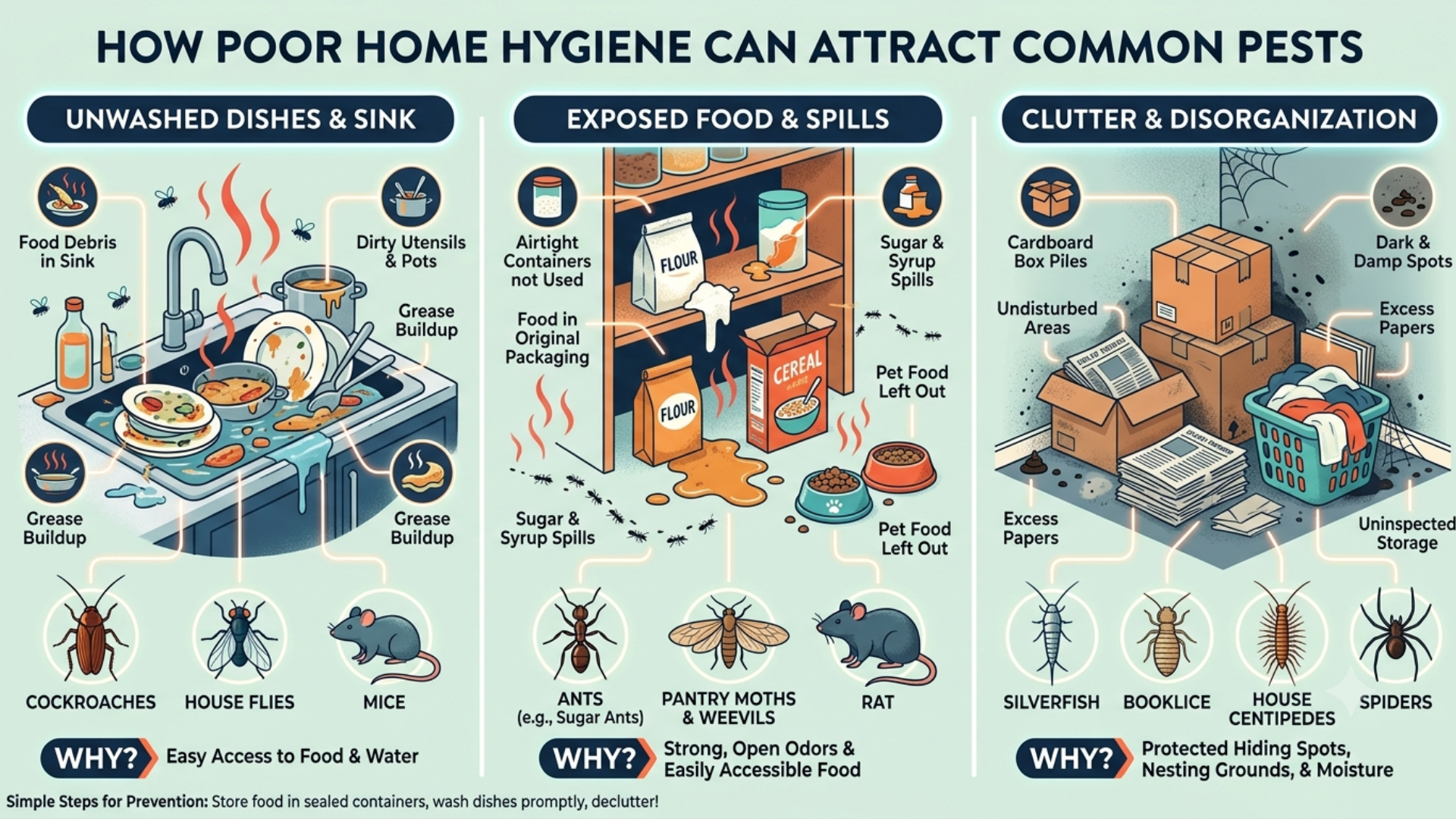
Pests need food, water, and shelter to survive. Poor cleaning habits can provide all three within a home.
Common conditions that attract pests include:
- Uncovered food
- Food crumbs and spills
- Overflowing garbage
- Dirty drains
- Standing water
- Leaking pipes
- Excessive clutter
- Unclean storage areas
Removing these sources makes your home less attractive to pests.
1. Uncovered Food Attracts Pests
Food left uncovered can attract ants, cockroaches, flies, and rodents.
Common examples include:
- Leftover meals
- Fruits and vegetables
- Snacks
- Pet food
- Open food packages
Store food in sealed containers and clean food preparation areas regularly.
2. Food Crumbs Can Attract Ants and Cockroaches
Even small amounts of food can attract pests.
Crumbs may collect:
- Under kitchen appliances
- Inside cabinets
- On dining tables
- Along floors
- Under furniture
Regular sweeping and cleaning can help remove these food sources.
3. Overflowing Garbage Creates Pest Problems
Garbage provides food and breeding opportunities for several pests.
Unmanaged waste can attract:
- Cockroaches
- Flies
- Rats
- Mice
- Ants
Use covered bins and dispose of household waste regularly.
4. Dirty Drains Can Attract Insects
Drains can accumulate food particles, grease, organic matter, and moisture.
Unclean drains may attract:
- Cockroaches
- Drain flies
- Other insects
Regular drain maintenance can help reduce pest activity.
5. Standing Water Encourages Mosquitoes
Mosquitoes can breed in stagnant water around and inside properties.
Check for water in:
- Plant trays
- Buckets
- Containers
- Open tanks
- Blocked drains
- Outdoor items
Removing standing water is an important part of mosquito prevention.
6. Moisture Can Encourage Pest Activity
Leaking pipes, damp walls, and poor ventilation can create favorable conditions for pests.
Inspect:
- Bathrooms
- Kitchens
- Under sinks
- Utility rooms
- Areas near plumbing
Fix leaks quickly and keep damp areas properly ventilated.
7. Clutter Provides Hiding Places
Pests can hide in dark and undisturbed areas.
Cluttered spaces may include:
- Cardboard boxes
- Old newspapers
- Unused furniture
- Storage materials
- Clothes and other belongings
Keeping storage areas organized makes pest detection and prevention easier.
8. Dirty Outdoor Areas Can Attract Pests
Pest problems can sometimes begin outside the home and eventually move indoors.
Keep outdoor areas free from:
- Food waste
- Fallen fruits
- Standing water
- Wood debris
- Excessive vegetation
- Open garbage
A clean exterior can reduce the chances of pests entering your property.
Common Household Pests Attracted by Poor Hygiene
Different pests are attracted to different conditions.
Common household pests include:
- Cockroaches – Attracted to food, moisture, and dark hiding areas.
- Ants – Often attracted to sugary foods and food crumbs.
- Flies – Commonly attracted to garbage, food waste, and organic material.
- Rodents – Look for food, water, and shelter.
- Mosquitoes – Breed in stagnant water.
- Termites – Can be encouraged by moisture and accessible wood materials.
Understanding the conditions that attract each pest can help with prevention.
How to Maintain Good Home Hygiene
A consistent cleaning routine can significantly reduce pest risks.
1. Clean the Kitchen Daily
Wipe counters, clean food spills, sweep floors, and avoid leaving dirty dishes for long periods.
2. Store Food Properly
Use airtight containers and keep food packages properly sealed.
3. Empty Garbage Regularly
Do not allow food waste to remain inside the home for extended periods.
4. Keep Drains Clean
Regularly inspect and maintain kitchen and bathroom drains.
5. Fix Leaks
Repair leaking taps, pipes, and plumbing fixtures as soon as possible.
6. Keep Storage Areas Organized
Reduce clutter and remove unnecessary cardboard, paper, and unused materials.
Signs That Poor Hygiene May Be Contributing to Pest Problems
Watch for:
- Frequent pest sightings
- Pest droppings
- Unpleasant odors
- Insects around garbage
- Ant trails
- Cockroaches around sinks and drains
- Rodent activity
- Mosquitoes around standing water
These signs may indicate that additional cleaning or professional pest management is required.
Why Professional Pest Control Is Still Important
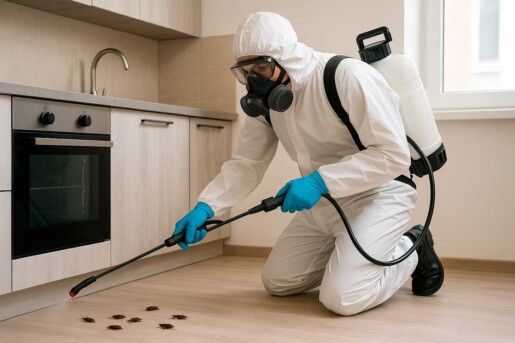
Good hygiene is essential, but cleaning alone may not eliminate an established pest infestation. Pests can hide inside walls, drains, furniture, ceilings, and other difficult-to-reach areas.
Professional pest control can provide:
- Detailed inspection
- Identification of infestation sources
- Targeted pest treatment
- Preventive recommendations
- Long-term pest management
- Follow-up monitoring when required
Professional treatment is particularly useful when pests continue to appear despite maintaining good hygiene.
How HVL Pest Services Can Help
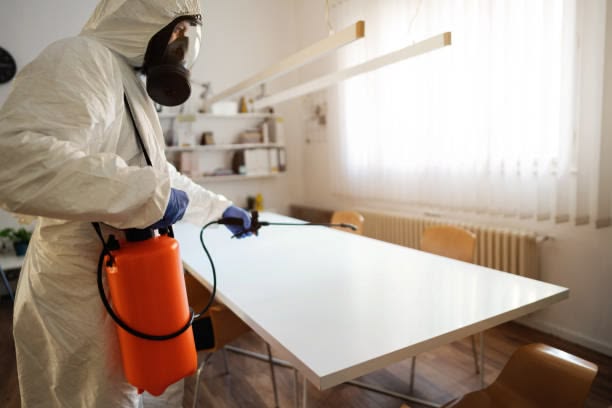
HVL Pest Services provides professional pest management solutions for residential and commercial properties.
Their approach includes:
Detailed Inspection
The property is inspected to identify pest activity, food sources, moisture problems, hiding areas, and potential entry points.
Targeted Treatment
Treatment methods are selected according to the type and severity of the infestation.
Hygiene and Prevention Guidance
Experts provide practical recommendations regarding cleaning, waste management, food storage, moisture control, and property maintenance.
Regular Monitoring
Periodic inspections can help identify recurring pest activity and support long-term pest prevention.
Conclusion
Poor home hygiene can create the food, water, and shelter that many common household pests need to survive. Uncovered food, food crumbs, overflowing garbage, dirty drains, standing water, moisture, and clutter can all increase the risk of pest activity.
Maintaining a clean home, storing food properly, managing waste, fixing leaks, and keeping indoor and outdoor areas organized can help prevent infestations. If pests continue to appear despite proper hygiene, professional pest control can identify hidden sources and provide targeted treatment to help keep your home clean, healthy, and pest-free.