Introduction
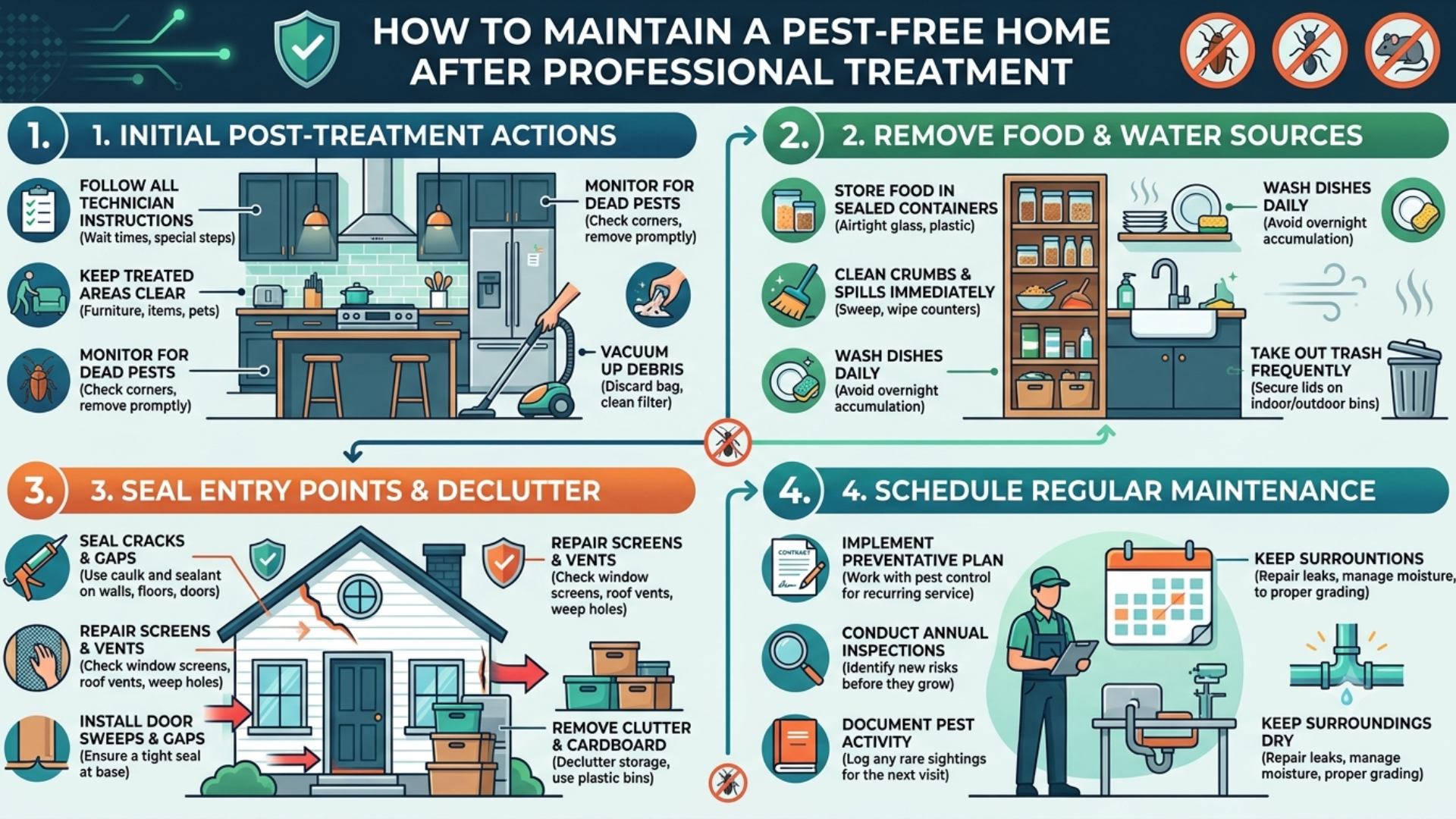
Professional pest control treatment can effectively reduce or eliminate an existing pest infestation, but maintaining a pest-free home requires continued prevention and regular property maintenance. Pests such as cockroaches, ants, termites, mosquitoes, rodents, flies, and bed bugs can return if they find suitable food, water, shelter, or entry points.
Following proper post-treatment practices can help protect your home and improve the long-term effectiveness of pest control. Simple habits such as keeping the property clean, controlling moisture, storing food properly, and sealing entry points can make a significant difference.
Understanding what to do after professional pest control treatment is essential for maintaining a clean and comfortable home.
Why Is Post-Treatment Prevention Important?
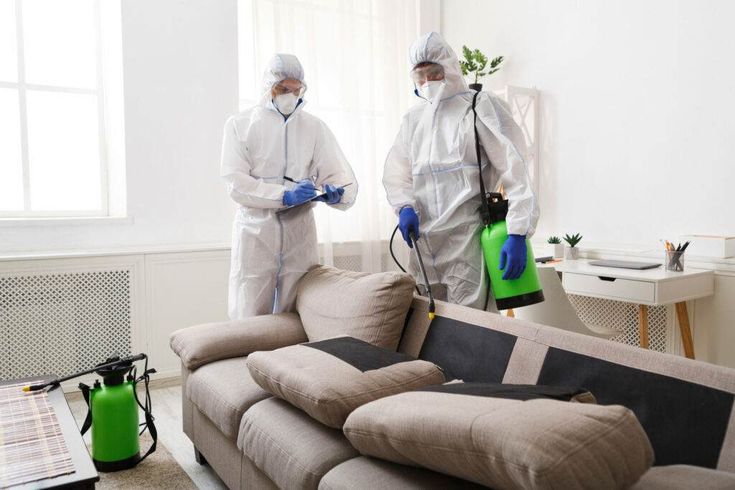
Professional pest control addresses existing pest activity, but environmental conditions around your property can continue to attract pests.
Common factors that may encourage pests to return include:
- Food crumbs and spills
- Uncovered food
- Standing water
- Leaking pipes
- Open garbage
- Cracks and gaps
- Excessive clutter
- Poor outdoor maintenance
Removing these conditions can help maintain long-term pest control.
1. Follow Post-Treatment Instructions
After professional treatment, always follow the instructions provided by the pest control technician.
Depending on the treatment, instructions may include:
- When it is safe to re-enter treated areas
- How to clean treated surfaces
- Where food should be stored
- How to handle treated items
- Whether follow-up treatment is required
Following these instructions helps ensure the treatment works as intended.
2. Keep Your Kitchen Clean
The kitchen is one of the most common areas where pests look for food and water.
Maintain cleanliness by:
- Wiping countertops regularly
- Cleaning food spills immediately
- Sweeping floors
- Cleaning under appliances
- Washing dishes regularly
A clean kitchen provides fewer food sources for pests.
3. Store Food in Sealed Containers
Food should be properly protected after pest treatment.
Store items such as:
- Rice
- Flour
- Cereals
- Snacks
- Spices
- Pet food
in airtight or properly sealed containers.
Avoid leaving food uncovered, especially overnight.
4. Manage Household Garbage
Garbage can quickly attract cockroaches, flies, ants, and rodents.
Follow these practices:
- Keep garbage bins covered
- Empty bins regularly
- Clean bins when required
- Avoid allowing food waste to accumulate
Proper waste management helps reduce pest attraction.
5. Control Moisture
Many household pests are attracted to damp areas.
Regularly check for:
- Leaking taps
- Broken pipes
- Water accumulation
- Damp walls
- Moist areas under sinks
Repair leaks promptly and keep bathrooms, kitchens, and utility areas properly ventilated.
6. Keep Drains Clean
Drains can become potential hiding and entry points for some pests.
Regularly maintain:
- Kitchen drains
- Bathroom drains
- Floor drains
- Utility-area drains
Keep drainage systems clean and address blockages quickly.
7. Seal Cracks and Entry Points
Pests can return through small openings around your property.
Inspect areas around:
- Doors
- Windows
- Pipes
- Electrical lines
- Walls
- Cabinets
Seal suitable gaps and maintain damaged doors or window screens.
8. Reduce Clutter
Cluttered areas provide pests with additional hiding places.
Keep storage areas organized and regularly remove:
- Unused cardboard boxes
- Old newspapers
- Unnecessary packaging
- Damaged furniture
- Other unwanted materials
An organized home makes it easier to detect pest activity early.
9. Maintain Outdoor Areas
Pest prevention should also include the area surrounding your home.
Keep outdoor spaces free from:
- Standing water
- Garbage
- Wood debris
- Fallen leaves
- Excessive vegetation
- Unused containers
Maintaining the exterior can reduce the chances of pests entering the property.
Signs That Pests Are Returning
Even after treatment, homeowners should remain alert for early warning signs.
Look for:
- Live insects
- Ant trails
- Cockroach droppings
- Rodent droppings
- Damaged food packaging
- Mud tubes
- Mosquito breeding areas
- Unusual pest odors
- Scratching sounds
Early detection can help prevent a small recurrence from becoming a major infestation.
Should You Clean Immediately After Pest Control?
Cleaning requirements depend on the type of pest control treatment used and the areas treated. Some treatments may require specific waiting periods or instructions before cleaning certain surfaces.
Homeowners should follow the pest control professional’s instructions rather than immediately washing or removing treated areas.
Properly following post-treatment guidance can help preserve the effectiveness of the treatment.
Why Regular Pest Inspections Are Important
Even if your home appears pest-free, regular inspections can help identify hidden problems.
Professional inspections can detect:
- Early pest activity
- Potential entry points
- Moisture problems
- Hidden nesting areas
- Termite activity
- Conditions that attract pests
Regular monitoring is particularly useful for properties that have experienced repeated infestations.
When Should You Contact a Pest Control Professional Again?
Contact a professional if you notice:
- Pests returning shortly after treatment
- Increasing pest activity
- New signs of infestation
- Termite damage
- Rodent activity
- Bed bug signs
- Persistent cockroaches or ants
Avoid repeatedly using different DIY chemicals without professional guidance, as this may not address the underlying source of the problem.
How HVL Pest Services Can Help
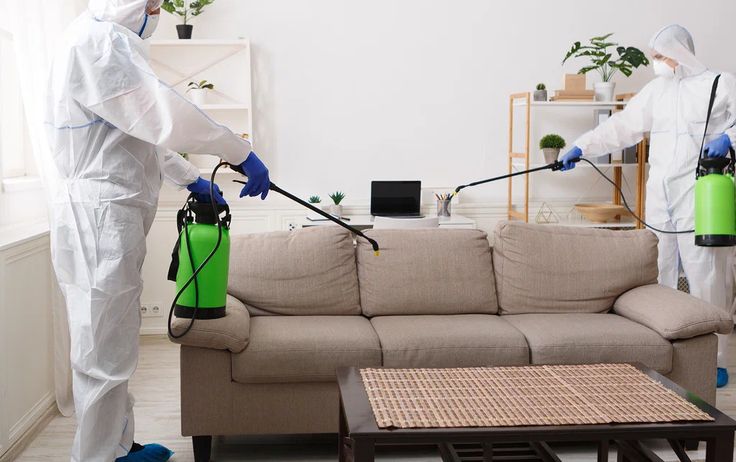
HVL Pest Services provides professional pest management solutions for homes and commercial properties.
Their approach includes:
Detailed Inspection
Professionals inspect the property to identify recurring pest activity, entry points, moisture sources, and potential breeding areas.
Targeted Treatment
Treatment methods are selected based on the type of pest and the conditions found during inspection.
Preventive Recommendations
Experts provide practical guidance on hygiene, food storage, moisture control, waste management, and property maintenance.
Follow-Up Monitoring
Where required, follow-up inspections can help identify recurring pest activity and determine whether additional treatment is necessary.
Conclusion
Professional pest control is an important step toward eliminating an existing infestation, but long-term prevention requires regular maintenance. Keeping your kitchen clean, storing food properly, managing garbage, controlling moisture, cleaning drains, sealing entry points, reducing clutter, and maintaining outdoor areas can help prevent pests from returning.
Homeowners should also monitor the property for early signs of pest activity and follow all post-treatment instructions provided by pest control professionals.
By combining professional pest treatment with consistent preventive practices and regular inspections, you can maintain a cleaner, healthier, and more comfortable pest-free home.