
Introduction
Termites are one of the most destructive pests that can affect residential properties. They can enter a home without being noticed and slowly damage wooden furniture, doors, flooring, cupboards, and other wooden structures. Since termites often remain hidden inside walls, floors, and wood, homeowners may discover the infestation only after significant damage has occurred.
The good news is that proper prevention can significantly reduce the risk of termite infestation. By controlling moisture, sealing entry points, maintaining wooden structures, and scheduling regular inspections, homeowners can protect their property from costly termite damage.
Why Do Termites Enter Homes?
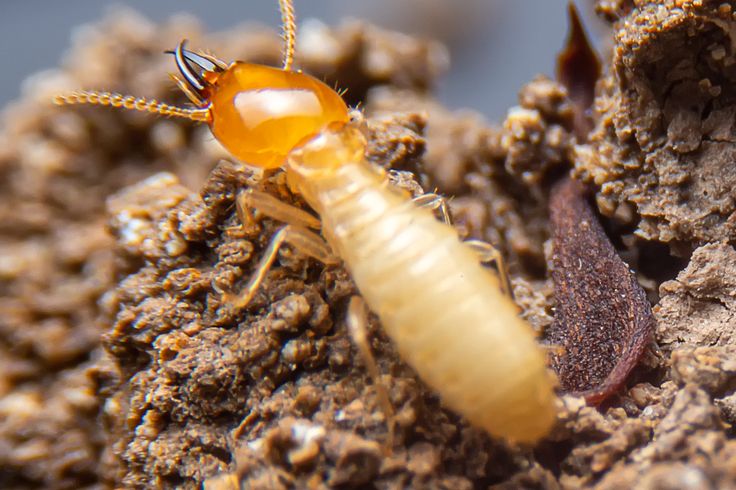
Termites enter homes mainly in search of food, moisture, and shelter. Wood and other cellulose-based materials provide them with a reliable food source.
Common factors that attract termites include:
- Moist soil around the foundation
- Leaking pipes and plumbing
- Damp wooden structures
- Wood debris near the property
- Cracks in foundations
- Direct contact between wood and soil
- Poor drainage around the building
Identifying and eliminating these conditions can help prevent termite infestations.
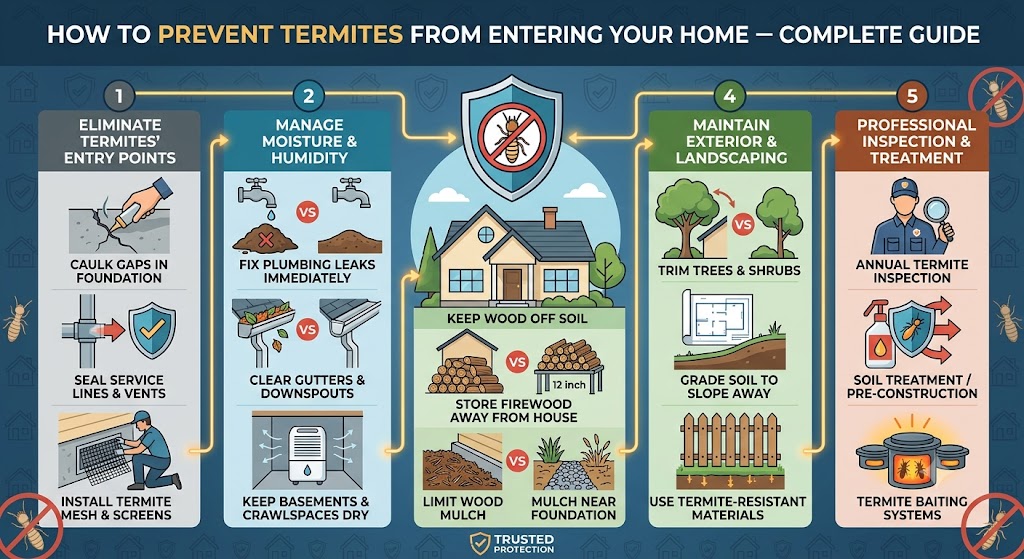
1. Keep Your Home Dry
Moisture is one of the major factors that can encourage termite activity.
Check your property regularly for:
- Leaking taps
- Broken water pipes
- Damp walls
- Water accumulation
- Poor drainage
Repairing leaks quickly and keeping your home dry can reduce conditions that attract termites.
2. Avoid Direct Wood-to-Soil Contact
Wood that touches the soil provides termites with an easy pathway into your property.
Avoid:
- Wooden structures touching the ground
- Firewood stored directly on soil
- Wood debris near foundations
- Wooden materials placed against exterior walls
Keeping wood elevated and away from soil helps reduce termite access.
3. Seal Cracks and Gaps
Small cracks and openings around your property can provide potential entry points for termites.
Inspect areas around:
- Foundations
- Doors and windows
- Plumbing pipes
- Electrical lines
- Wall joints
Seal visible cracks and gaps to reduce potential entry routes.
4. Store Firewood Properly
Firewood can attract termites and other wood-destroying pests.
Always:
- Keep firewood away from the house
- Store it above ground
- Avoid storing large piles near walls
- Inspect wood before bringing it indoors
Proper firewood storage reduces the chances of termites reaching your home.
5. Remove Wood and Construction Debris
Wood scraps, cardboard, and other cellulose-based materials left around your property can become food sources for termites.
After construction or renovation:
- Remove leftover wood
- Clear cardboard waste
- Clean areas around the foundation
- Avoid leaving wooden materials outdoors for long periods
A clean surrounding area makes your property less attractive to termites.
6. Maintain Proper Drainage
Poor drainage can create damp conditions around the foundation of your home.
Make sure:
- Gutters are clean
- Downspouts direct water away from the building
- Drains are not blocked
- Rainwater does not collect near foundations
Good drainage helps keep the soil around your home dry.
7. Inspect Wooden Furniture Regularly
Termites can attack furniture without producing obvious signs during the early stages.
Look for:
- Hollow-sounding wood
- Small holes
- Cracks in wooden surfaces
- Mud tubes
- Discarded wings
- Powder-like residue
Early detection can help prevent extensive damage.
8. Maintain Ventilation
Poor ventilation can increase moisture levels inside your home.
Ensure proper airflow in:
- Bathrooms
- Kitchens
- Storage rooms
- Basements
- Areas near wooden structures
Good ventilation helps reduce dampness and creates less favorable conditions for termites.
9. Schedule Regular Termite Inspections
Even when there are no visible signs of termites, regular inspections can help identify hidden activity.
A professional inspection can identify:
- Early termite activity
- Vulnerable wooden structures
- Moisture-prone areas
- Potential entry points
- Conditions that may attract termites
Regular inspections are especially useful for older properties and homes located in termite-prone areas.
Signs That Your Home May Have Termites
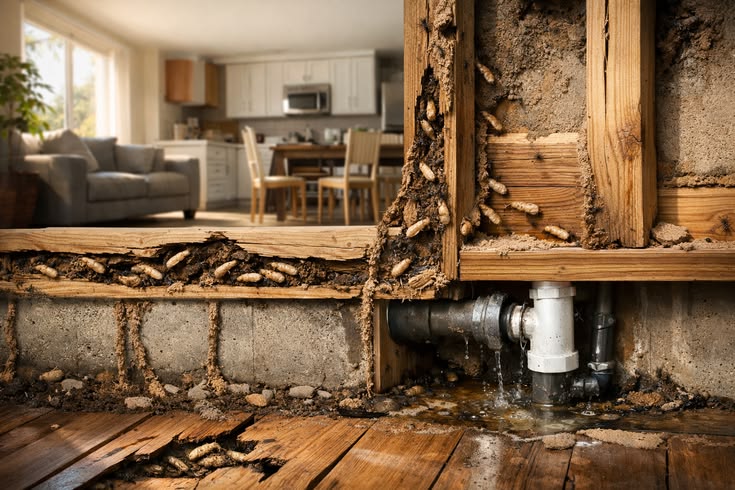
Homeowners should watch for these common warning signs:
- Mud tubes along walls or foundations
- Hollow-sounding wooden surfaces
- Small holes in furniture
- Discarded wings near windows
- Damaged wooden doors or frames
- Termite droppings or frass
- Doors and windows becoming difficult to open
If you notice multiple signs, professional inspection is recommended.
Why Professional Termite Control Is Important
DIY termite treatments may provide temporary protection, but they may not reach hidden colonies or identify the source of the infestation.
Professional termite control can provide:
- Detailed property inspection
- Identification of termite species and activity
- Targeted treatment
- Protection of vulnerable areas
- Preventive recommendations
- Long-term termite management
Professional treatment focuses on both eliminating existing activity and reducing the possibility of future infestations.
How HVL Pest Services Can Help
HVL Pest Services provides professional pest management solutions designed to protect residential and commercial properties from termites and other common pests.
Their approach includes:
Detailed Inspection
The property is inspected to identify termite activity, entry points, moisture problems, and vulnerable areas.
Targeted Treatment
Treatment methods are selected according to the level and location of termite activity.
Preventive Protection
Potential risk factors are identified and preventive measures are recommended to reduce future termite problems.
Regular Monitoring
Periodic inspections can help detect new termite activity before it causes significant damage.
Conclusion
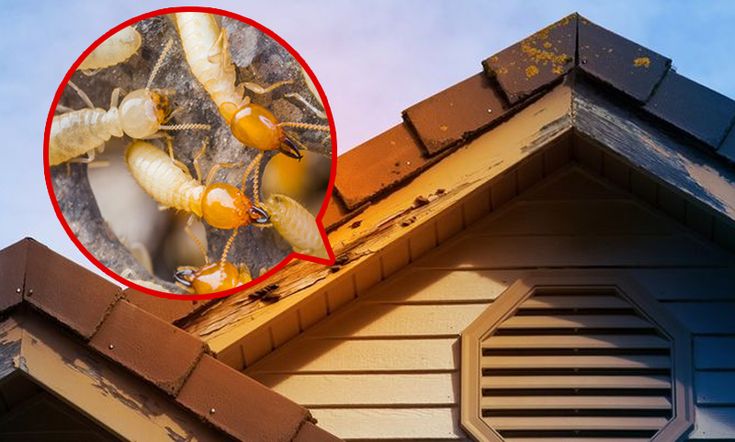
Preventing termites is much easier and more cost-effective than repairing extensive termite damage. Keeping your property dry, maintaining proper drainage, avoiding wood-to-soil contact, removing wood debris, sealing potential entry points, and inspecting wooden structures regularly can significantly reduce the risk of infestation.
However, termites can remain hidden for long periods. If you notice signs of termite activity or want to protect your property proactively, professional termite inspection and treatment can provide more reliable, long-term protection.