Introduction
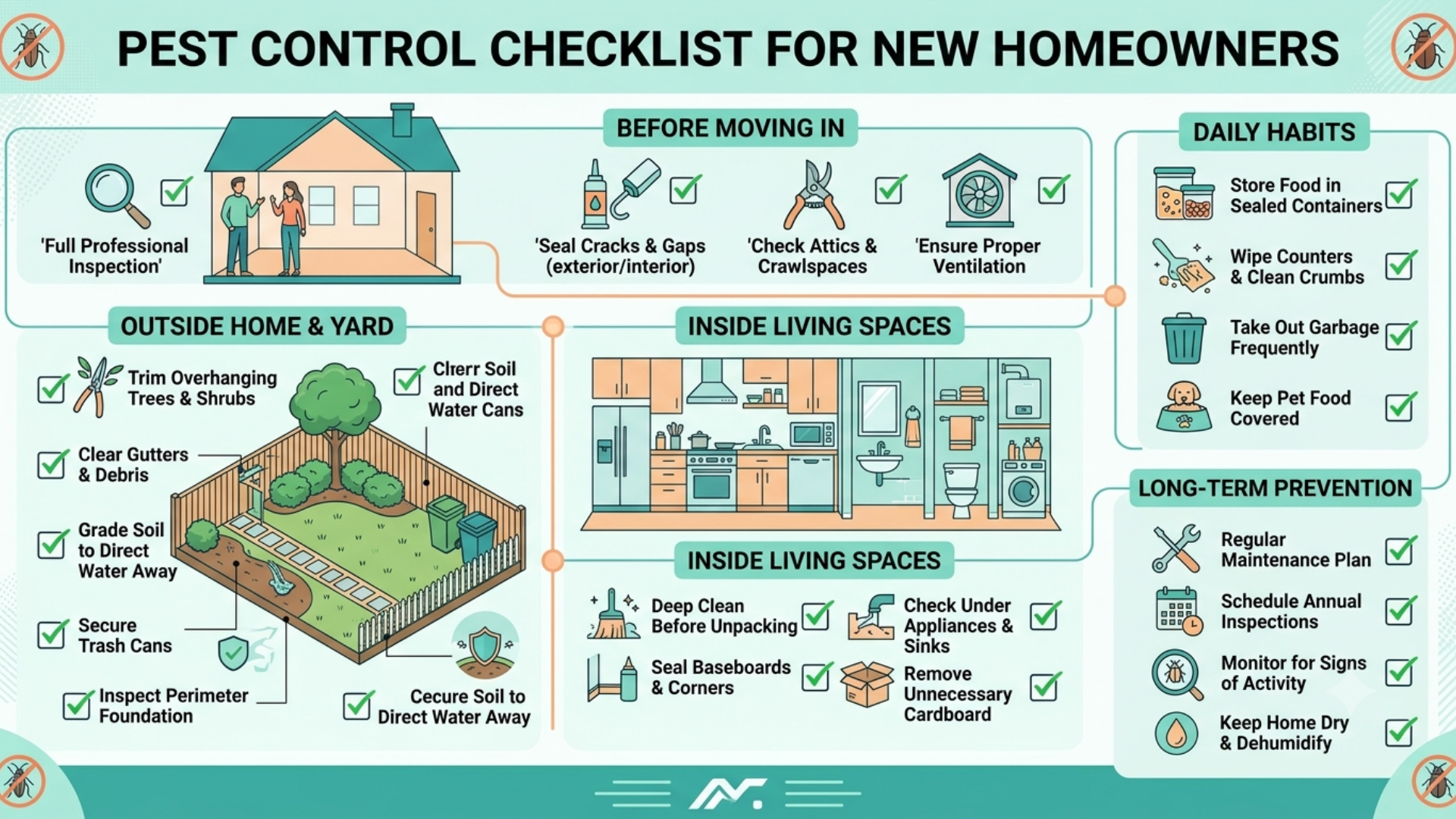
Moving into a new home is an exciting experience, but pest prevention should be one of the first things on every homeowner’s checklist. Even a newly constructed or recently cleaned property can have hidden pests such as termites, cockroaches, ants, mosquitoes, rodents, or bed bugs.
Pests can enter through small cracks, plumbing openings, drains, doors, windows, and other hidden areas. Identifying potential pest problems before they become serious can help protect your property, furniture, and family’s health.
A proper pest control checklist helps new homeowners identify risks early and create a cleaner, safer, and more comfortable living environment.
Why Should New Homeowners Check for Pests?
A property may look clean on the surface while pests remain hidden inside walls, furniture, cabinets, ceilings, or drainage areas.
A pest inspection can help identify:
- Existing pest activity
- Termite damage
- Potential entry points
- Moisture problems
- Hidden nesting areas
- Conditions that attract pests
Early prevention is generally easier than dealing with a major infestation later.
1. Inspect the Property Before Moving In
Before bringing furniture and belongings into your new home, inspect every room carefully.
Pay attention to:
- Kitchen cabinets
- Bathrooms
- Storage areas
- Doors and windows
- Wooden structures
- Wall corners
- Drainage areas
An early inspection gives you an opportunity to address pest problems before the property becomes occupied.
2. Check for Termite Activity
Termites can cause significant damage to wooden structures without being noticed immediately.
Look for:
- Mud tubes
- Hollow-sounding wood
- Small holes
- Damaged wooden frames
- Discarded wings
- Cracked or weakened wood
Professional termite inspection is recommended if you notice any suspicious signs.
3. Inspect Kitchen Cabinets and Storage Areas
Kitchens provide food, water, and shelter for several common pests.
Check cabinets and storage areas for:
- Cockroach droppings
- Ant trails
- Damaged food packaging
- Unusual odors
- Insects or eggs
Clean cabinets thoroughly before storing food or household items.
4. Check Plumbing and Moisture Sources
Moisture can attract cockroaches, ants, mosquitoes, and other pests.
Inspect:
- Kitchen sinks
- Bathroom pipes
- Water connections
- Drainage systems
- Areas underneath sinks
Repair leaks and address damp areas as soon as possible.
5. Seal Cracks and Gaps
Small openings can provide easy entry points for insects and rodents.
Check around:
- Doors
- Windows
- Walls
- Pipes
- Electrical lines
- Drain openings
Seal suitable gaps to reduce pest entry.
6. Inspect Doors and Windows
Doors and windows can provide direct access for mosquitoes, flies, cockroaches, and other insects.
Make sure:
- Window screens are intact
- Door gaps are minimized
- Frames are properly sealed
- Damaged screens are repaired
Properly maintained entry points help reduce indoor pest activity.
7. Clean the Property Before Unpacking
Thorough cleaning removes food particles, dust, debris, and other materials that may attract pests.
Clean:
- Floors
- Cabinets
- Shelves
- Kitchen surfaces
- Bathrooms
- Storage areas
Cleaning before moving in makes it easier to identify potential pest problems.
8. Check Outdoor Areas
Pest prevention should also include the area surrounding your home.
Inspect for:
- Standing water
- Garbage
- Wood debris
- Overgrown plants
- Blocked drains
- Damaged structures
Maintaining outdoor areas helps reduce the chance of pests entering the house.
9. Schedule Professional Pest Inspection
A professional inspection can identify pest activity that may not be visible to homeowners.
Experts can inspect:
- Foundations
- Wooden structures
- Kitchens
- Bathrooms
- Roof spaces
- Storage areas
- Potential entry points
Professional inspection is especially useful before moving valuable furniture and belongings into the property.
Common Pests New Homeowners Should Watch For
New homeowners should be aware of common pests such as:
- Cockroaches
- Termites
- Ants
- Mosquitoes
- Rodents
- Bed bugs
- Flies
Each pest requires different prevention and treatment methods.
How to Prevent Pest Problems After Moving In
Once you move into your new home, maintaining good habits is essential.
1. Store Food Properly
Keep food in airtight containers and avoid leaving food uncovered.
2. Manage Household Waste
Use covered garbage bins and dispose of food waste regularly.
3. Keep the Home Dry
Fix plumbing leaks and avoid unnecessary moisture around the property.
4. Maintain Clean Drains
Regularly clean kitchen and bathroom drains to reduce potential pest activity.
5. Keep the Garden Maintained
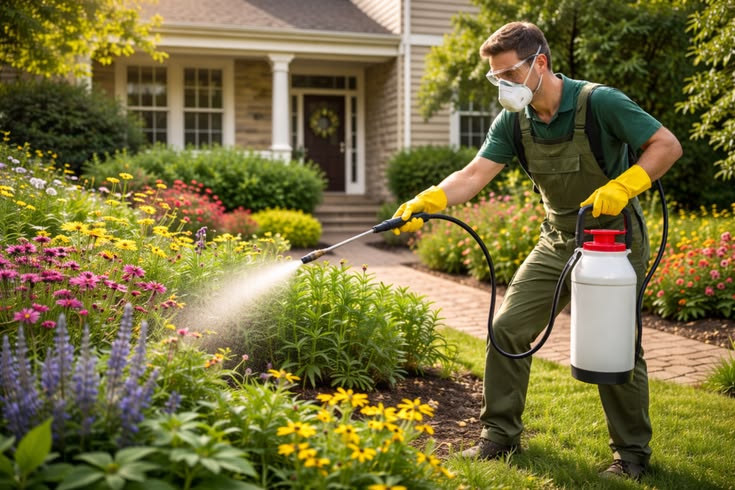
Trim excessive vegetation and remove standing water and unnecessary debris.
6. Schedule Regular Pest Inspections
Periodic inspections can help detect pest activity before it becomes a serious infestation.
Why Professional Pest Control Is Important for New Homes
DIY pest prevention can help with basic maintenance, but professional pest control provides a more comprehensive approach.
Professional services can provide:
- Detailed property inspection
- Pest identification
- Targeted treatment
- Termite prevention
- Cockroach and rodent control
- Mosquito management
- Preventive recommendations
Treating potential pest problems before they become severe can save homeowners time, money, and unnecessary stress.
How HVL Pest Services Can Help
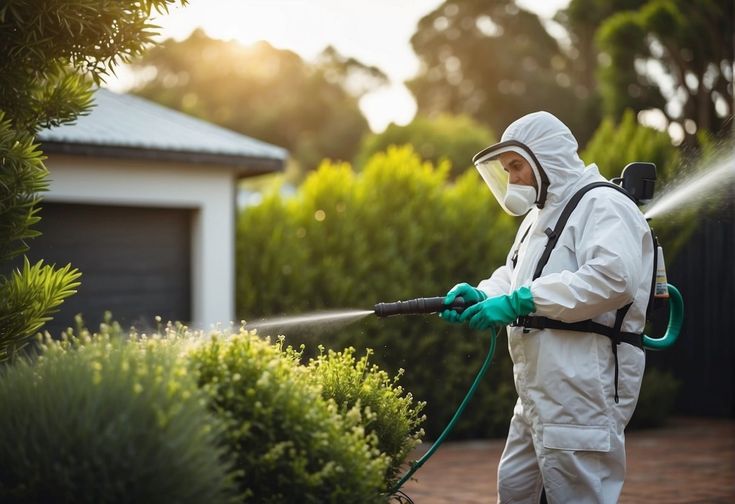
HVL Pest Services provides professional pest control solutions for homeowners looking to protect their new properties.
Their approach includes:
Detailed Property Inspection
Professionals inspect the home and surrounding areas for existing pest activity, entry points, moisture sources, and vulnerable areas.
Customized Pest Treatment
Treatment methods are selected according to the type of pest and the specific needs of the property.
Preventive Protection
Experts provide recommendations to reduce conditions that attract pests and help prevent future infestations.
Regular Monitoring
Periodic pest inspections can help identify new activity early and maintain long-term protection.
Conclusion
A pest control inspection should be an important part of every new homeowner’s checklist. Checking for termites, inspecting kitchens and bathrooms, sealing entry points, controlling moisture, maintaining outdoor areas, and keeping the property clean can significantly reduce the risk of pest infestations.
Professional pest control before or soon after moving in can provide an additional layer of protection and help identify hidden pest problems. By taking preventive action from the beginning, new homeowners can enjoy a cleaner, healthier, and more comfortable home for years to come.