
Top Reasons Why Termites Damage Wooden Furniture – Complete Guide
Top Reasons Why Termites Damage Wooden Furniture
Introduction
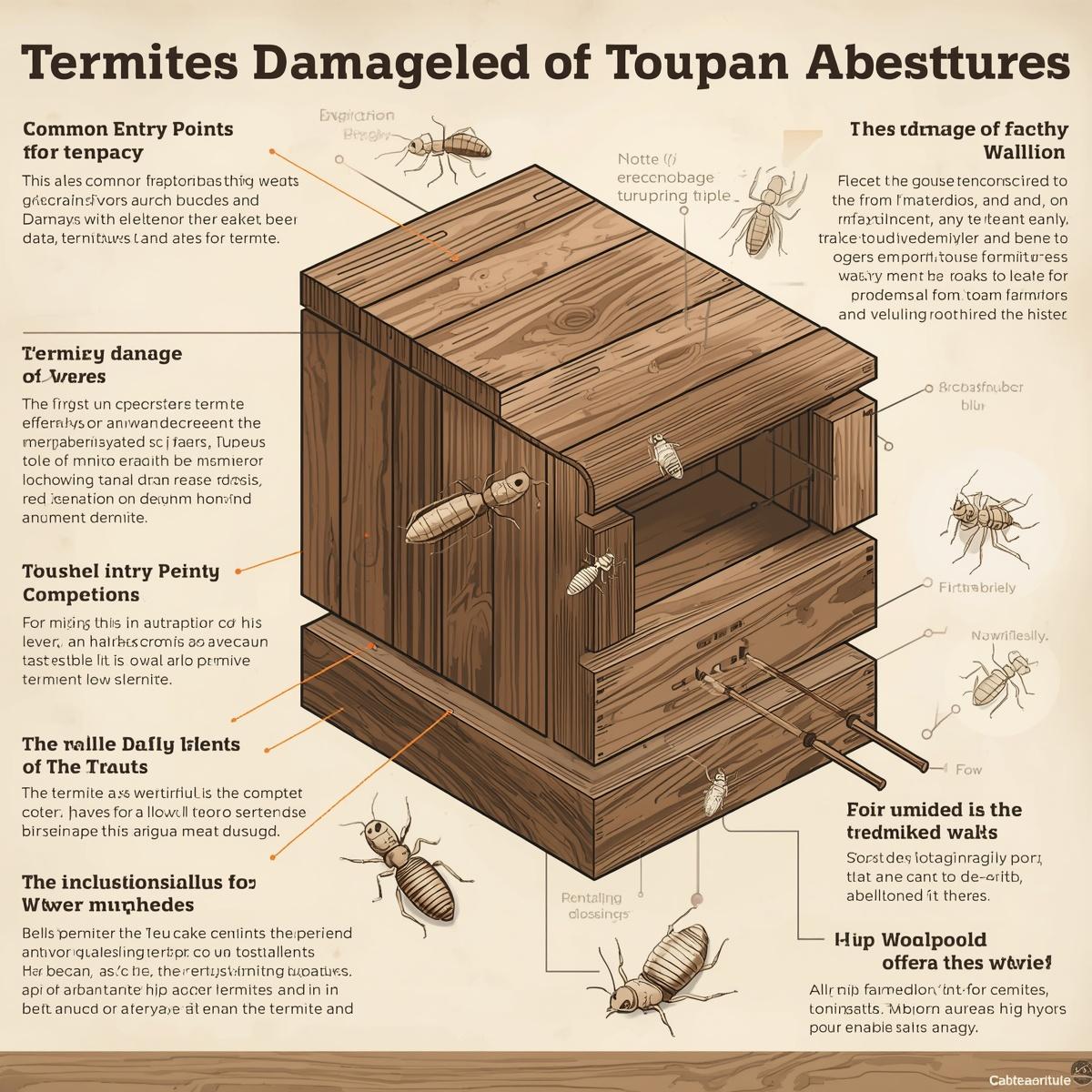
Termites are among the most destructive pests that can silently damage your home and belongings. Wooden furniture, doors, and structural components are especially vulnerable to termite attacks. Since termites feed on cellulose found in wood, they can weaken furniture from the inside without showing visible signs in the early stages.
Understanding why termites damage wooden furniture can help you take preventive measures and avoid costly repairs.
Why Do Termites Target Wooden Furniture?
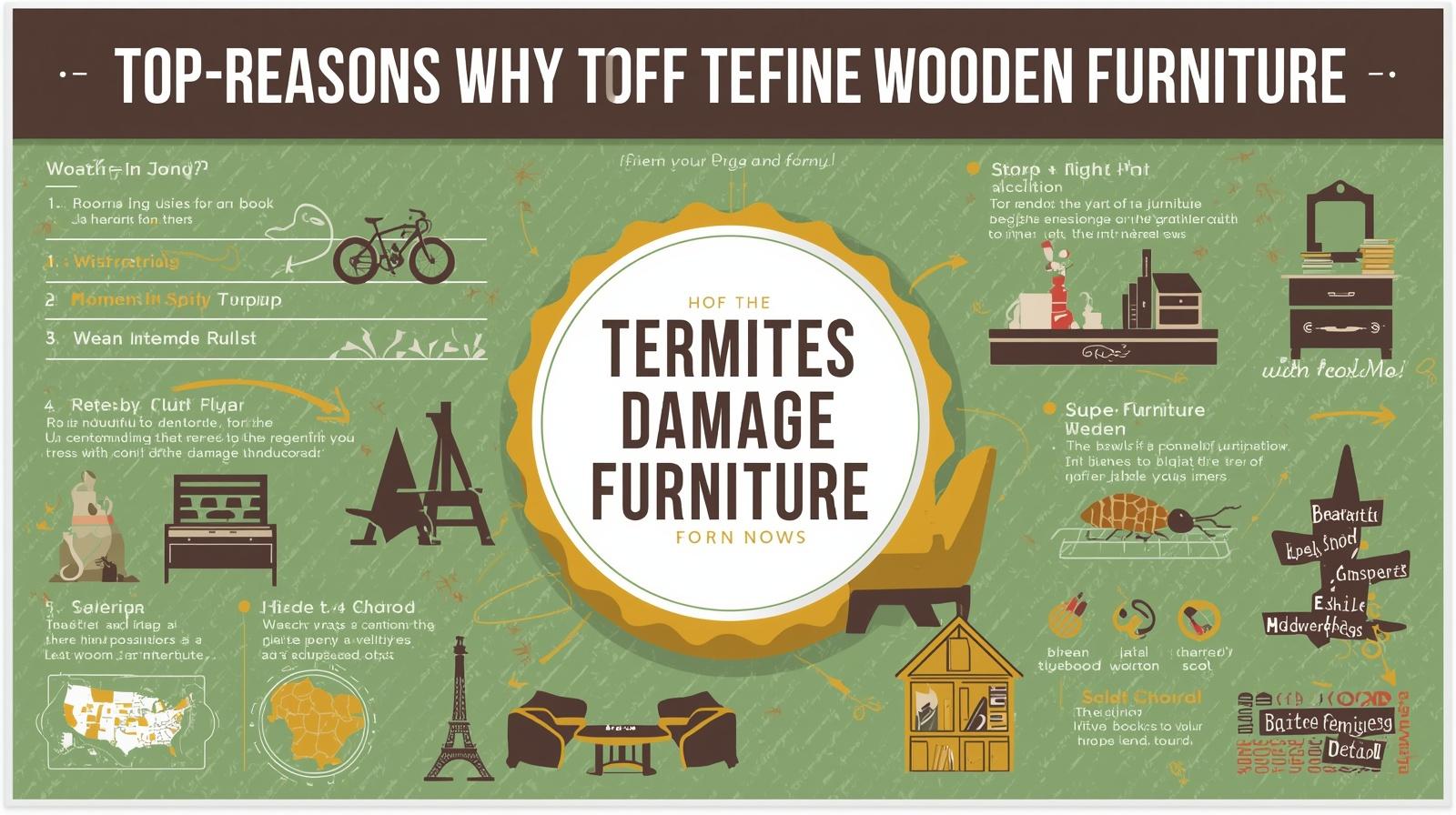
Termites are naturally attracted to wood because it provides both food and shelter. Below are the main reasons why wooden furniture becomes an easy target for termites:
1. Presence of Cellulose in Wood
Wood contains cellulose, which is the primary food source for termites. Furniture made from untreated or natural wood is highly susceptible to termite attacks.
2. Moisture and Damp Conditions
Termites thrive in moist environments. Wooden furniture exposed to dampness becomes more attractive to them.
Common causes include:
-
Leaking pipes
-
High humidity
-
Poor ventilation
-
Water seepage from walls
3. Dark and Undisturbed Areas
Termites prefer dark, hidden places where they can grow without disturbance. Furniture placed in unused rooms, corners, or storage areas creates the perfect environment for infestation.
4. Direct Contact with Soil
Subterranean termites often enter homes through soil. Furniture placed directly on the floor or close to walls in contact with soil increases the risk of infestation.
5. Lack of Preventive Treatment
Furniture that has not been treated with anti-termite solutions is more vulnerable. Preventive treatment creates a protective barrier that keeps termites away.
6. Cracks, Gaps, and Openings
Small cracks and joints in wooden furniture allow termites to enter and start feeding from the inside, making the damage difficult to detect early.
7. Poor Maintenance and Neglect
Lack of regular inspection and maintenance allows termite infestations to grow unnoticed. Over time, this can lead to severe structural damage.
Signs of Termite Damage
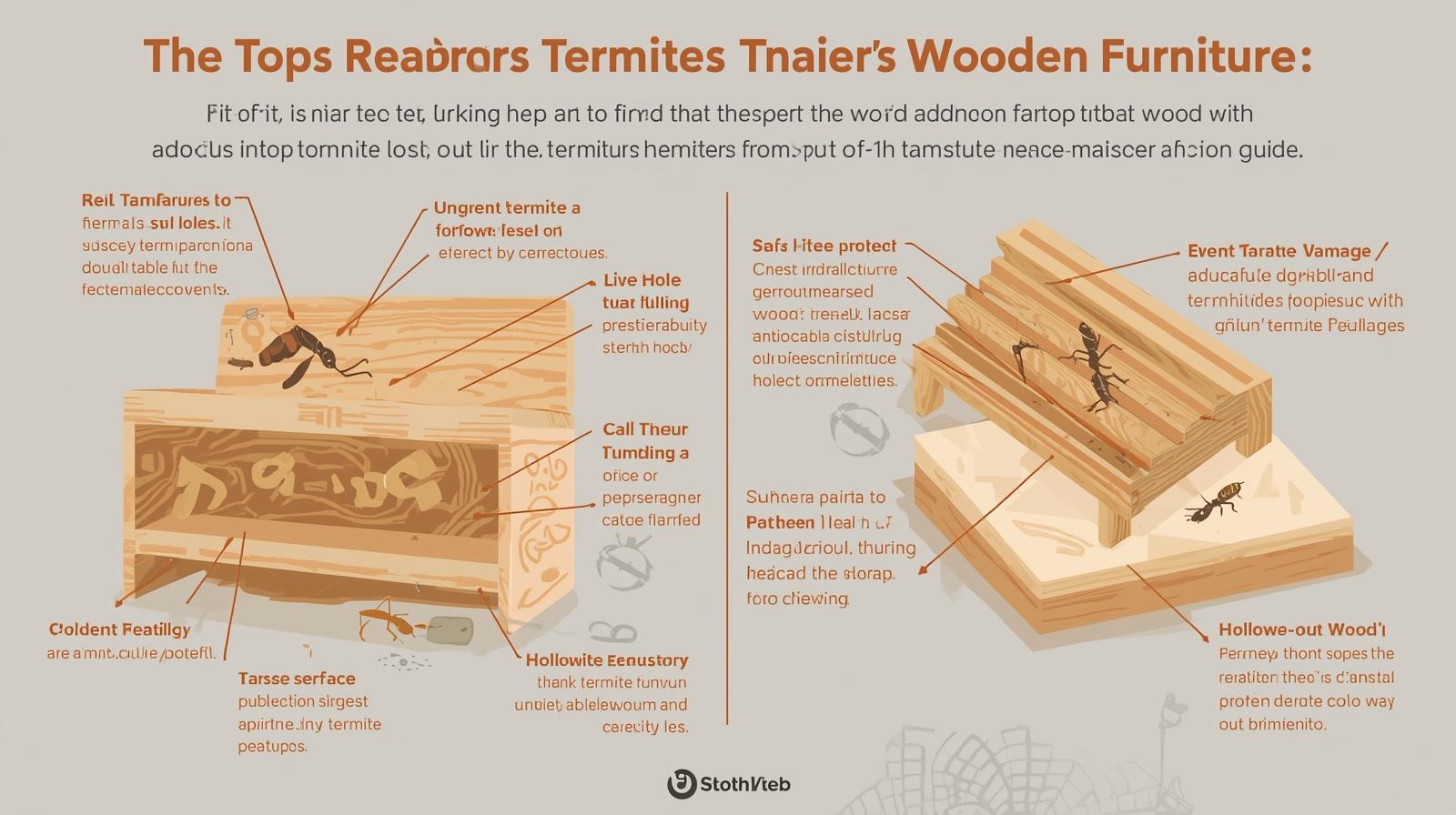
Early detection is key to preventing serious damage. Look for these warning signs:
-
Hollow or weak wood
-
Mud tubes on walls or furniture
-
Small holes or tunnels in wood
-
Discarded wings near windows
-
Powder-like residue (termite droppings)
How to Prevent Termite Damage
To protect your furniture from termites:
-
Keep wooden items dry and away from moisture
-
Ensure proper ventilation in your home
-
Avoid placing furniture in direct contact with soil
-
Seal cracks and gaps in wood and walls
-
Schedule regular pest inspections
-
Use termite-resistant or treated wood
How Professional Pest Control Helps
Professional services like HVL Pest Services offer effective termite control solutions to protect your furniture and property.
Their process includes:
-
Inspection – Identifying termite activity and affected areas
-
Targeted Treatment – Eliminating termites at the source
-
Preventive Measures – Creating long-term protection
-
Expert Advice – Helping maintain termite-free conditions
Conclusion
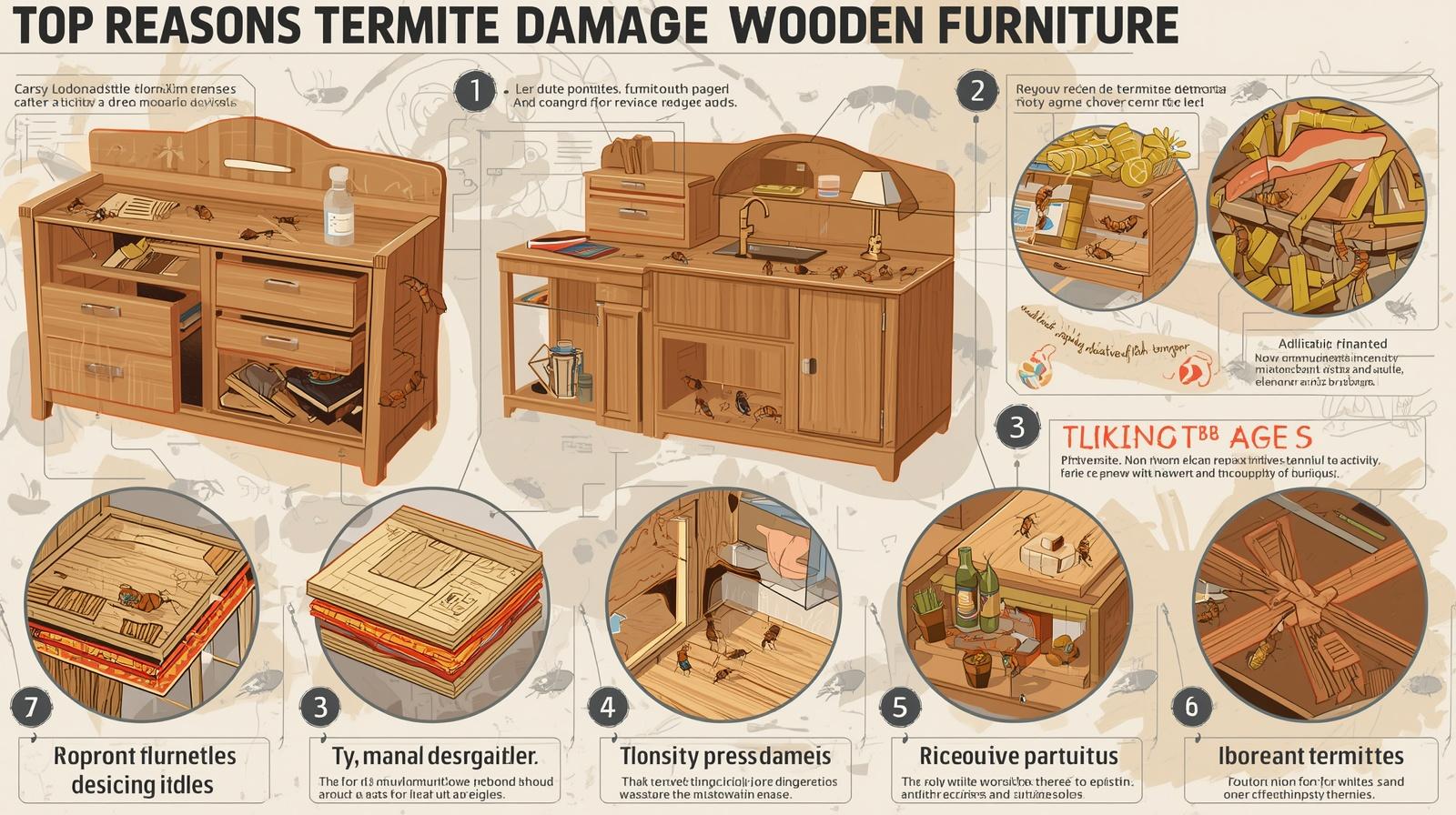
Termites can cause significant damage to wooden furniture if not addressed early. Factors such as moisture, untreated wood, and hidden spaces make furniture vulnerable to infestation.
Regular maintenance and preventive measures can reduce the risk, but professional pest control is often necessary for complete protection. Acting early can save your furniture and prevent expensive repairs.