
What Happens During a Professional Termite Inspection, A Step-by-Step Guide for Homeowners
What Happens During a Professional Termite Inspection, A Step-by-Step Guide for Homeowners
Introduction
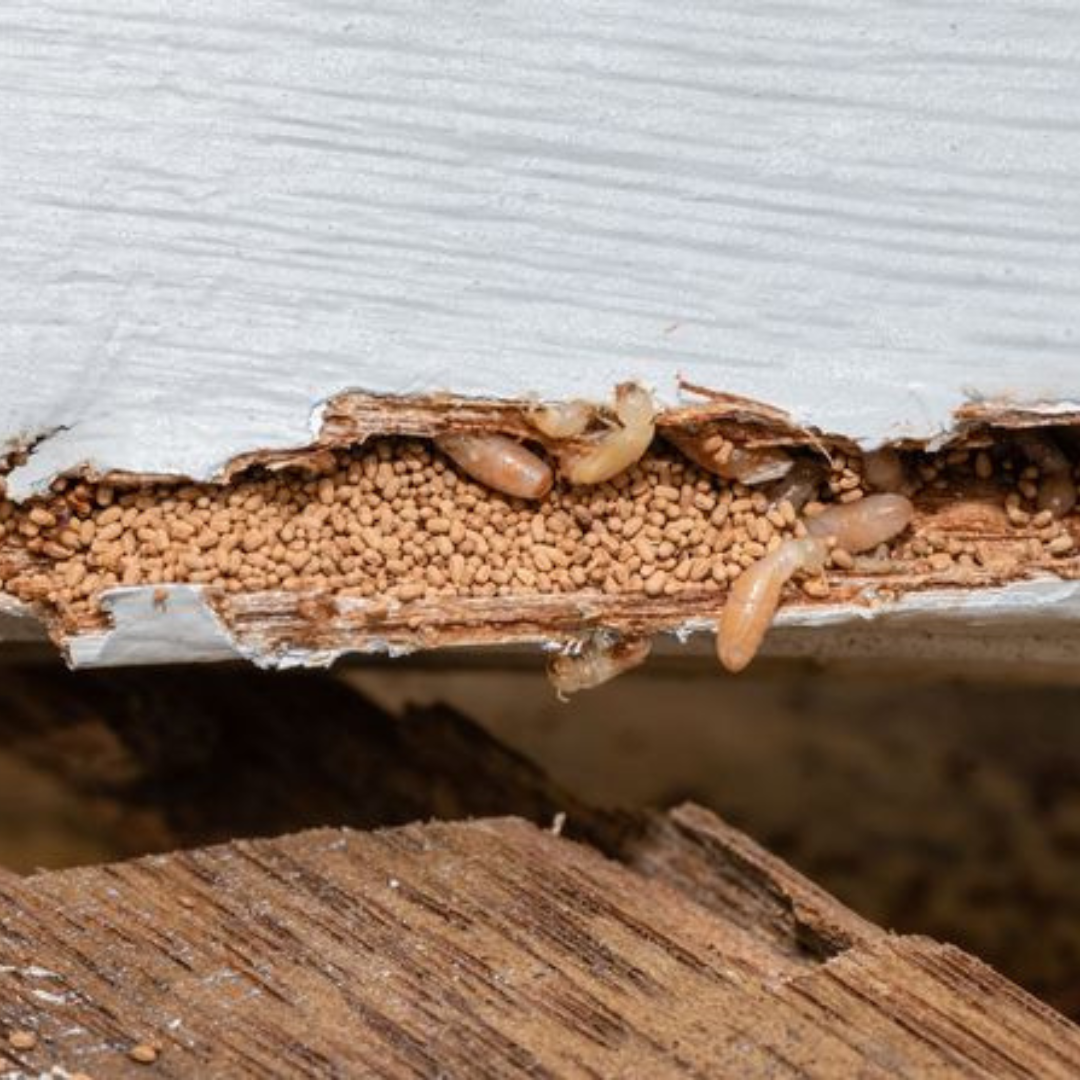
Termites are silent destroyers that can cause severe structural damage before homeowners even realize there is a problem. Because termite activity often remains hidden inside walls, floors, and foundations, professional inspection is the most reliable way to detect an infestation early.
Many property owners hesitate to schedule an inspection because they are unsure of what the process involves. Understanding what happens during a professional termite inspection can help you feel confident and prepared.
Why a Professional Termite Inspection is Important
Termites feed continuously on wood and other cellulose materials. By the time visible damage appears, the infestation may already be advanced. A professional inspection helps:
- Detect early signs of termite activity
- Identify hidden colonies
- Prevent costly structural repairs
- Protect property value
- Provide peace of mind
Routine inspections are especially important in areas prone to termite activity.
Step-by-Step Process of a Professional Termite Inspection
- Initial Consultation
The inspection typically begins with a discussion between the homeowner and the pest control professional. During this stage:
- The homeowner explains any signs noticed (mud tubes, damaged wood, discarded wings, etc.).
- The technician gathers information about the property’s history.
- Questions about moisture issues, leaks, or previous treatments may be asked.
This helps the technician focus on high-risk areas.
- Exterior Inspection
The professional will carefully examine the outside of the property, including:
- Foundation walls
- Exterior wooden structures
- Decks and fences
- Window and door frames
- Soil around the building
- Drainage systems
They look for:
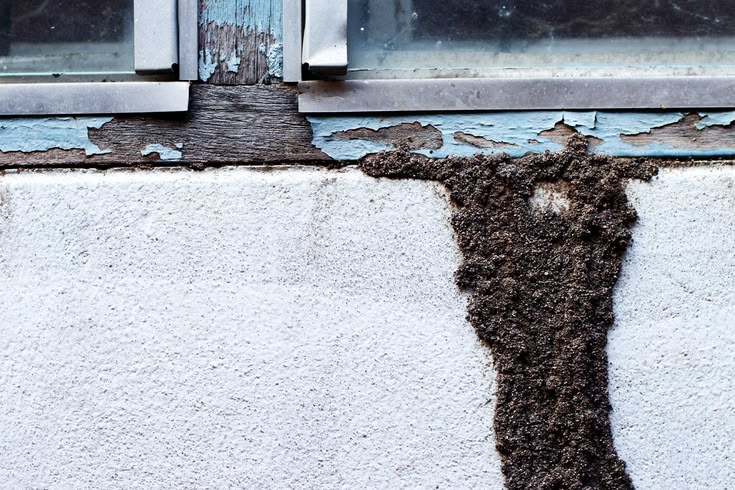
- Mud tubes along walls or foundations
- Wood-to-soil contact
- Cracks in concrete
- Signs of moisture accumulation
Since subterranean termites often enter from the soil, the exterior inspection is critical.
- Interior Inspection
Next, the technician inspects the interior of the property. This may include:
- Walls and ceilings
- Wooden beams and support structures
- Doors and window frames
- Flooring and baseboards
- Attics and crawl spaces
- Basements and storage areas
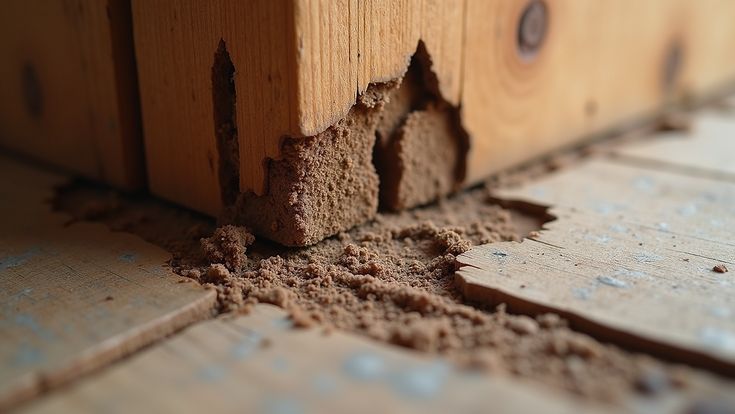
They may tap wooden surfaces to check for hollow sounds and use specialized tools to detect hidden damage.
- Moisture Assessment
Termites are attracted to moisture. During the inspection, the professional checks for:
- Plumbing leaks
- Poor ventilation
- Damp basements
- Water-damaged wood
Moisture issues significantly increase the risk of infestation.
- Use of Specialized Tools
In some cases, technicians use advanced tools such as:
- Moisture meters
- Thermal imaging devices
- Probing tools
- Flashlights and inspection mirrors
These tools help detect hidden termite activity without causing unnecessary damage to the property.
- Identification of Termite Type
If termite activity is found, the technician identifies the species involved. Different types of termites require different treatment approaches. Proper identification ensures effective and targeted treatment.
- Detailed Inspection Report
After completing the inspection, the professional provides:
- A detailed explanation of findings
- Identification of affected areas
- Assessment of damage severity
- Recommended treatment plan (if needed)
- Preventive suggestions
This transparent communication allows homeowners to understand the condition of their property clearly.
How Long Does a Termite Inspection Take?
A standard termite inspection typically takes between 30 minutes to 1 hour, depending on:
- Property size
- Accessibility of areas
- Level of infestation
Larger or more complex properties may require additional time.
What Should Homeowners Do Before the Inspection?
To ensure a smooth process:
- Clear access to walls, storage areas, and basements
- Remove items blocking foundation walls
- Inform the technician about any previous pest issues
Proper preparation allows for a more thorough inspection.
How HVL Pest Services Conducts Professional Termite Inspections
HVL Pest Services follows a systematic and comprehensive inspection process to ensure accurate detection and effective solutions.
Their professional approach includes:
- Thorough interior and exterior evaluation
- Identification of high-risk moisture areas
- Detailed structural assessment
- Clear explanation of findings
- Customized treatment recommendations
With trained technicians and industry-approved methods, HVL Pest Services ensures reliable termite detection and long-term property protection.
Conclusion
A professional termite inspection is a crucial step in protecting your property from costly structural damage. By identifying early warning signs and hidden infestations, expert inspection helps prevent serious problems before they escalate.
Regular inspections combined with professional pest management services provide homeowners with confidence, safety, and long-term peace of mind.