
DIY Pest Prevention Tips Every Homeowner Should Know – Complete Guide
DIY Pest Prevention Tips Every Homeowner Should Know
Introduction
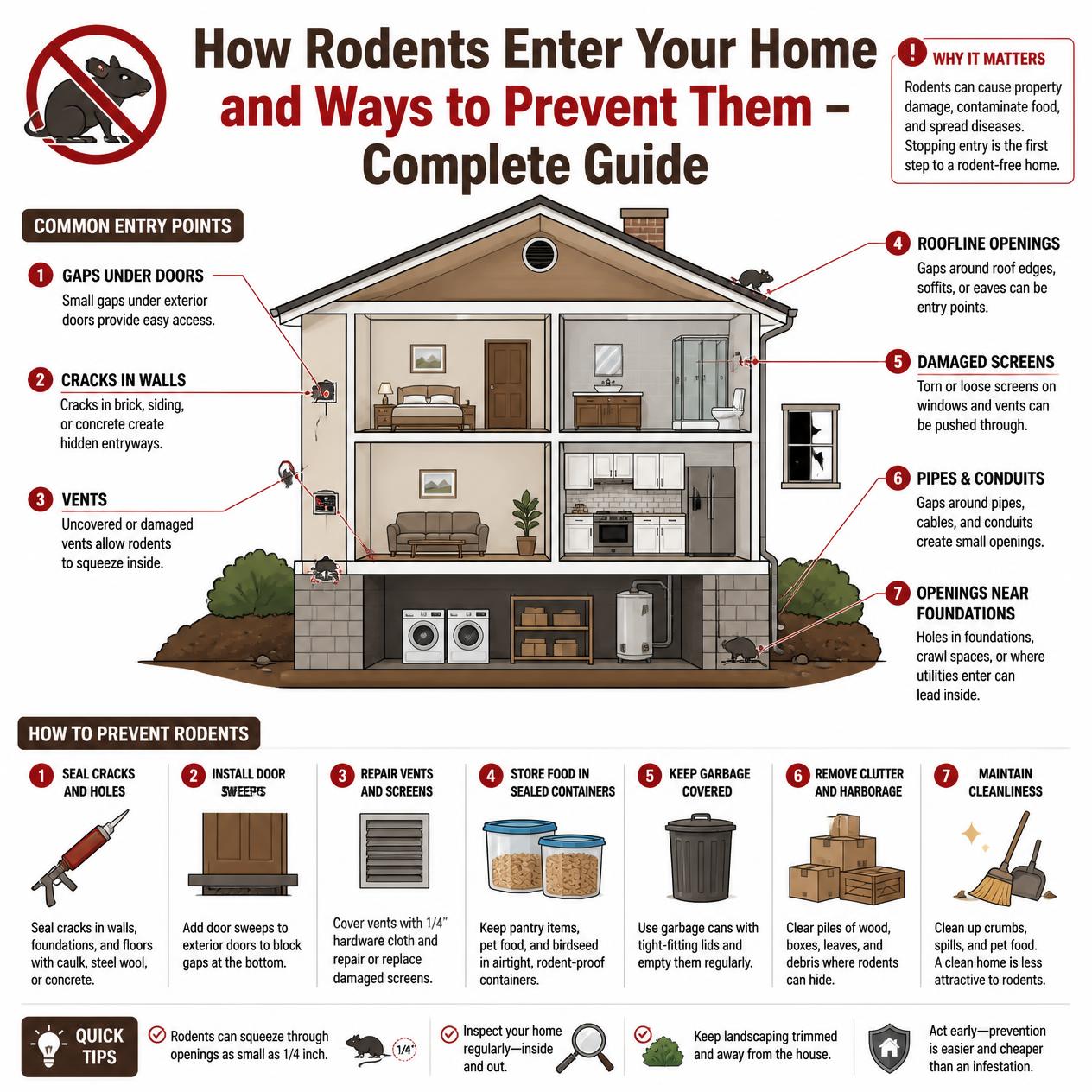
Keeping your home free from pests doesn’t always require immediate professional treatment. By following a few simple DIY (Do-It-Yourself) pest prevention practices, homeowners can significantly reduce the chances of infestations. Regular maintenance, proper hygiene, and early preventive measures can keep common pests like cockroaches, ants, rodents, mosquitoes, and termites away.
While DIY methods are useful for prevention, severe or recurring infestations should always be handled by professional pest control experts.
Why Pest Prevention Is Better Than Pest Control
Preventing pests before they enter your home offers several benefits:
- Reduces the risk of infestations
- Protects your family’s health
- Prevents property damage
- Saves money on repairs and treatments
- Maintains a clean and hygienic living environment
A little prevention today can help you avoid major pest problems in the future.
1. Keep Your Home Clean
A clean home is the first line of defense against pests.
Make it a habit to:
- Sweep and mop floors daily
- Wipe kitchen counters after cooking
- Clean food spills immediately
- Wash dishes without leaving them overnight
Removing food sources discourages pests from entering your home.
2. Store Food in Airtight Containers
Open food attracts pests quickly.
To prevent this:
- Store dry foods in sealed containers
- Keep fruits covered
- Avoid leaving pet food exposed
- Close food packets tightly after use
Proper storage reduces the chances of ants and cockroaches invading your kitchen.
3. Dispose of Garbage Regularly
Garbage bins are a major attraction for pests.
Follow these simple practices:
- Empty trash every day
- Use bins with tight-fitting lids
- Clean garbage bins regularly
- Keep outdoor waste areas tidy
Proper waste management helps keep pests away.
4. Seal Cracks and Entry Points
Pests can enter through surprisingly small openings.
Inspect your home for:
- Cracks in walls
- Gaps around doors and windows
- Openings near pipes and electrical wiring
- Damaged window screens
Seal these entry points to block pest access.
5. Eliminate Moisture
Many pests thrive in damp environments.
Reduce moisture by:
- Fixing leaking taps and pipes
- Keeping kitchens and bathrooms dry
- Improving ventilation
- Removing standing water
Dry conditions make your home less attractive to pests.
6. Maintain Your Garden
Outdoor areas can become breeding grounds for pests.
Keep your garden pest-free by:
- Trimming overgrown plants
- Removing dead leaves
- Cleaning clogged drains
- Avoiding water stagnation
A well-maintained garden reduces pest activity around your home.
7. Reduce Clutter
Clutter provides ideal hiding places for pests.
Organize your home by:
- Removing unnecessary cardboard boxes
- Keeping storage rooms clean
- Using plastic storage containers
- Avoiding piles of old newspapers and clothes
Less clutter means fewer places for pests to hide.
8. Inspect Wooden Furniture
Termites often attack wooden furniture without obvious signs.
Check regularly for:
- Hollow wood
- Mud tubes
- Tiny holes
- Powder-like wood dust
Early detection can prevent expensive termite damage.
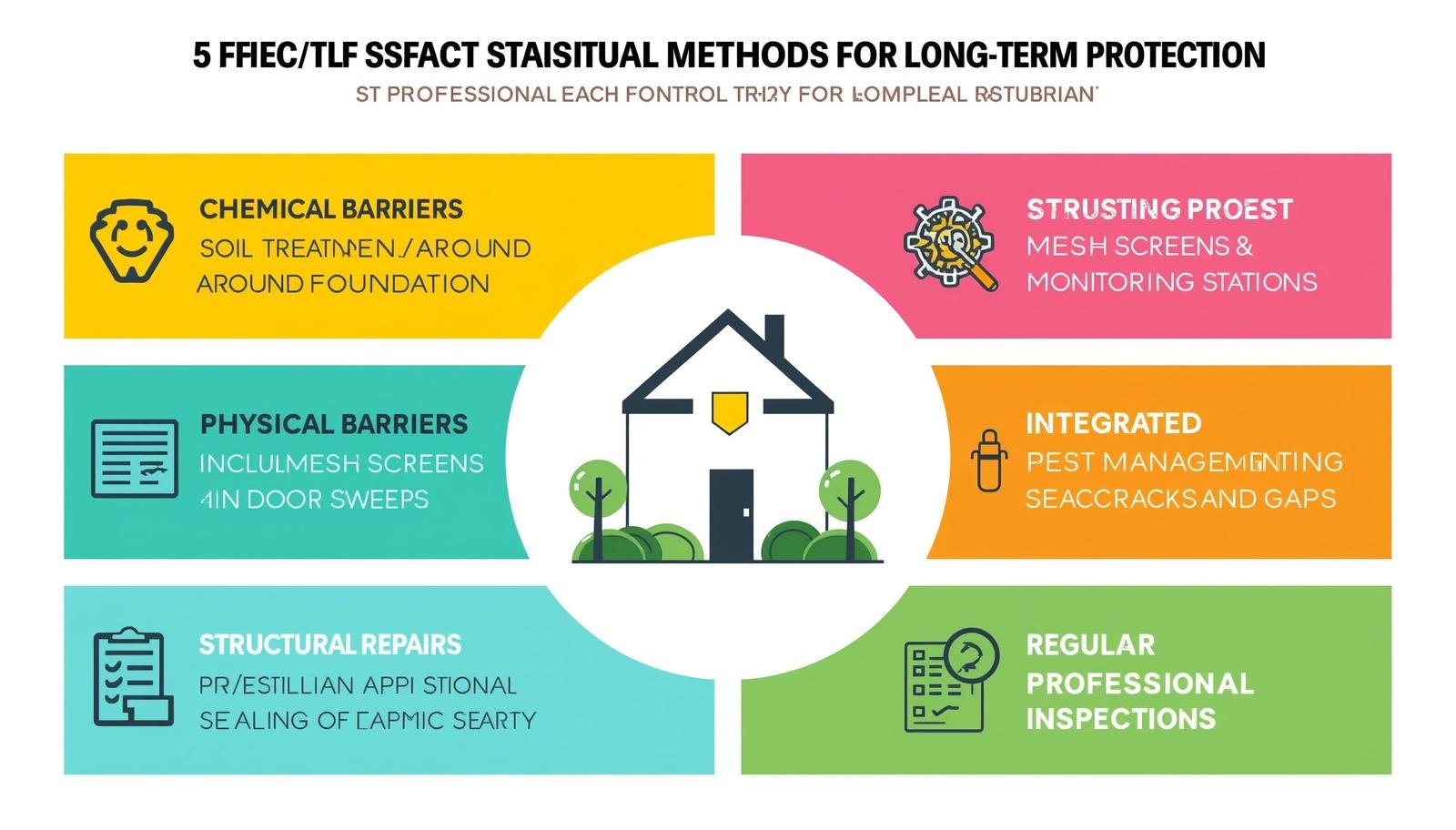
9. Install Door Sweeps and Window Screens
Adding simple barriers can prevent pests from entering.
Install:
- Door sweeps
- Fine mesh window screens
- Vent covers
These inexpensive upgrades offer effective protection.
10. Schedule Regular Home Inspections
Even if you don’t see pests, routine inspections help detect hidden infestations early.
Regular inspections can:
- Identify risk areas
- Detect termites and rodents early
- Prevent major infestations
Prevention is always more affordable than treatment.
When DIY Methods Are Not Enough
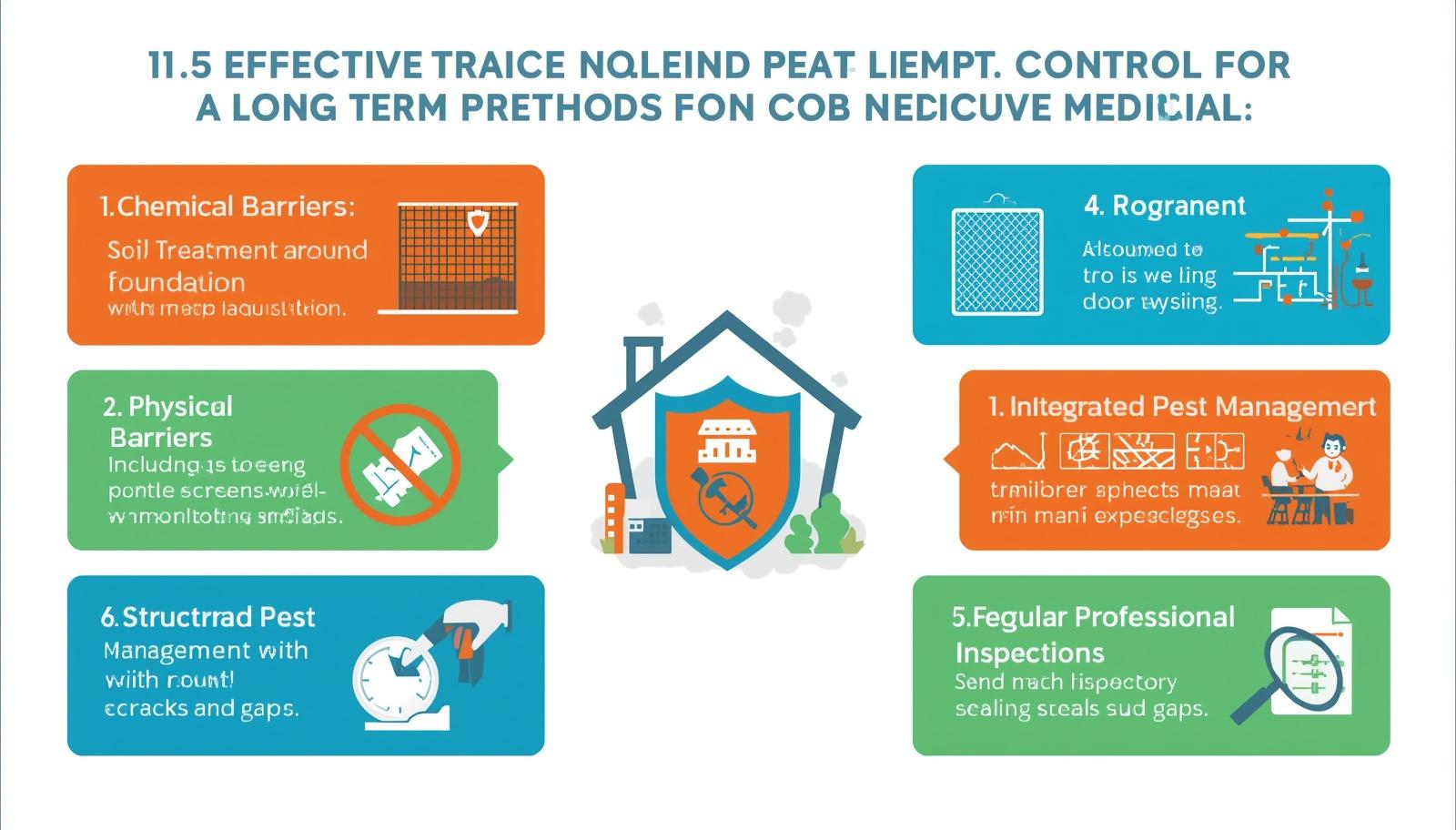
DIY methods work well for prevention and minor pest issues, but professional help is recommended when:
- Pests keep returning
- Large infestations are present
- You notice termite damage
- Rodents are nesting inside your home
- DIY products fail to solve the problem
Early professional intervention prevents bigger problems.
How Professional Pest Control Helps
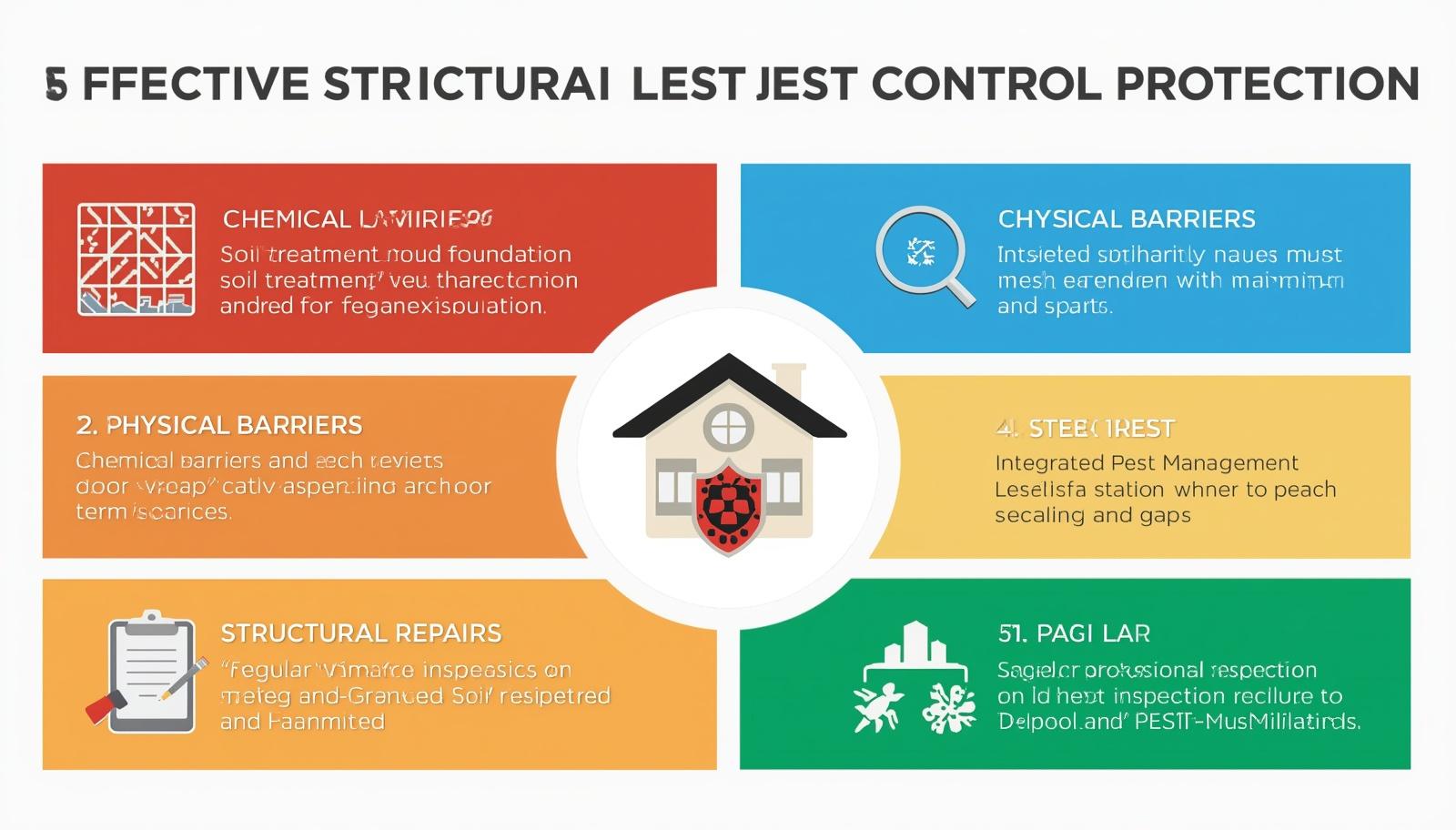
Professional services like HVL Pest Services provide complete pest management solutions for homes.
Their services include:
- Detailed Inspection – Identifying hidden pest activity.
- Customized Treatment – Targeted solutions for different pests.
- Safe Pest Control Methods – Family- and pet-friendly treatments.
- Preventive Solutions – Long-term protection against future infestations.
Professional pest control complements your DIY efforts and ensures complete pest elimination.
Conclusion
DIY pest prevention is one of the easiest and most cost-effective ways to keep your home safe from common pests. Maintaining cleanliness, reducing moisture, sealing entry points, and performing regular inspections can significantly lower the risk of infestations.
However, if pests continue to return despite preventive measures, professional pest control services provide the most effective and long-lasting solution for protecting your home and family.