
How Rodents Enter Your Home and Ways to Prevent Them – Complete Guide
How Rodents Enter Your Home and Ways to Prevent Them
Introduction
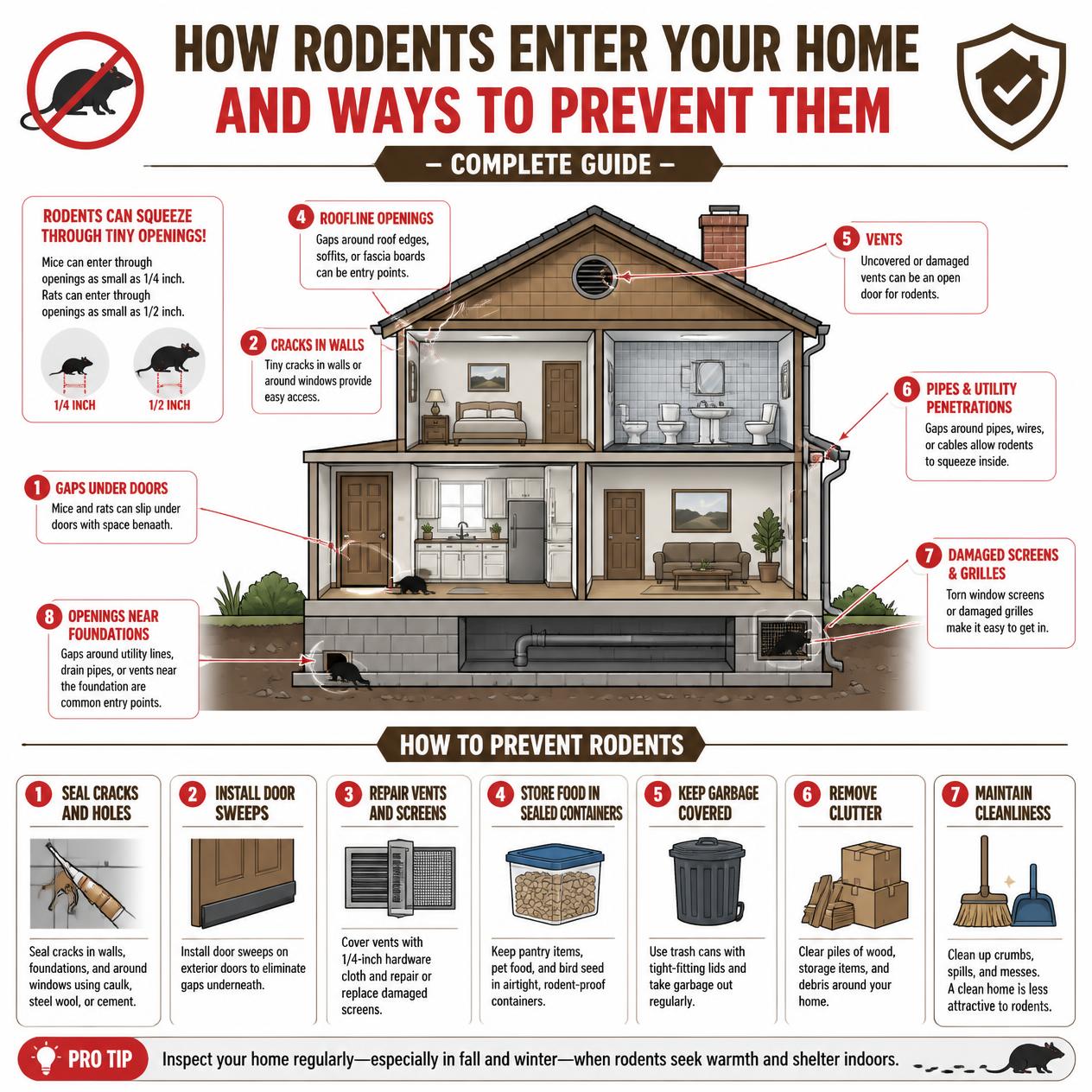
Rodents, such as rats and mice, are among the most troublesome household pests. They can contaminate food, damage property, chew electrical wires, and spread harmful diseases. Since rodents can squeeze through surprisingly small openings, they often enter homes unnoticed and multiply quickly if left unchecked.
Understanding how rodents enter your home and taking preventive measures can help protect your family, property, and health.

Why Rodents Enter Your Home
Rodents are constantly searching for:
- Food
- Water
- Shelter
- Warm places to build nests
Homes provide everything they need, especially during rainy seasons and colder months when outdoor conditions become less favorable.
Common Ways Rodents Enter Your Home
1. Through Small Cracks and Holes
Rats and mice can squeeze through tiny gaps in walls, foundations, and floors.
Common entry points include:
- Cracks in walls
- Gaps around doors
- Openings near windows
- Damaged vents
Even a small hole is enough for a mouse to enter your home.
2. Open Doors and Windows
Leaving doors or windows open for long periods makes it easy for rodents to enter, especially at night.
Installing door sweeps and window screens helps reduce this risk.
3. Gaps Around Pipes and Utility Lines
Rodents often use openings around:
- Plumbing pipes
- Electrical wiring
- Gas lines
- Air conditioning units
These hidden spaces provide easy access indoors.

4. Roofs and Attics
Rodents can climb walls, trees, and utility lines to enter through:
- Roof vents
- Broken roof tiles
- Open attic spaces
Once inside, they build nests in quiet and undisturbed areas.
5. Drainage Systems and Sewers
Rats frequently travel through drainage pipes and sewer systems before entering homes through damaged drains or pipe openings.
6. Garages and Storage Areas
Garages often contain clutter, cardboard boxes, and stored items that provide ideal hiding places for rodents.
If garage doors are not sealed properly, rodents can easily enter.
7. Nearby Vegetation
Overgrown plants, shrubs, and tree branches touching your home act as pathways for rodents to access roofs and upper floors.
Signs of Rodent Infestation
Early detection can help prevent a larger infestation.
Watch for these warning signs:
- Rodent droppings
- Gnaw marks on furniture or wires
- Scratching noises inside walls
- Torn food packaging
- Unpleasant odors
- Nesting materials such as paper or fabric
If you notice these signs, immediate action is recommended.
Problems Caused by Rodents
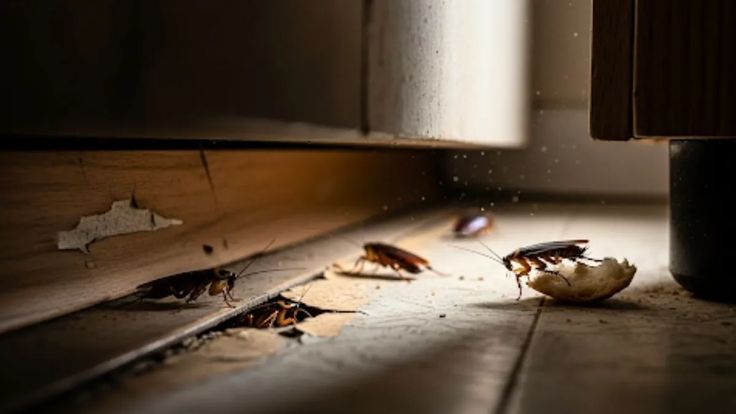
Rodents can create several serious problems:
- Contaminate food with droppings and urine
- Spread harmful bacteria and diseases
- Damage electrical wiring, increasing fire risks
- Destroy furniture, books, and stored items
- Cause unpleasant odors inside the home
Ignoring rodent activity can lead to costly repairs and health concerns.
Ways to Prevent Rodents
Keep Your Home Clean
- Clean food spills immediately
- Store food in airtight containers
- Wash dishes after meals
Seal Entry Points
Inspect your home regularly and seal:
- Cracks in walls
- Gaps around doors and windows
- Openings around utility lines
- Damaged vents
Dispose of Garbage Properly
- Use tightly sealed garbage bins
- Empty trash regularly
- Keep outdoor waste areas clean
Remove Clutter
Reduce hiding places by:
- Organizing storage rooms
- Removing unnecessary cardboard boxes
- Keeping garages clean
Eliminate Water Sources
Rodents need water to survive.
Fix:
- Leaking taps
- Broken pipes
- Standing water around the property
Maintain Outdoor Areas
- Trim overgrown trees and bushes
- Remove piles of wood and debris
- Keep vegetation away from walls
Schedule Regular Pest Inspections
Routine inspections help identify rodent activity before it becomes a major infestation.

How Professional Pest Control Helps
Professional services like HVL Pest Services provide effective rodent control solutions for homes and businesses.
Their process includes:
- Detailed Inspection – Identifying rodent entry points and nesting areas.
- Targeted Treatment – Safe and effective rodent control methods.
- Entry Point Sealing – Helping block future access.
- Preventive Advice – Providing long-term rodent prevention strategies.
Professional pest control ensures complete elimination and reduces the chances of rodents returning.
Conclusion
Rodents can enter your home through surprisingly small openings and quickly become a serious problem if ignored. By understanding how they gain access and following preventive measures such as sealing entry points, maintaining cleanliness, and reducing clutter, you can significantly lower the risk of infestation.
For complete protection and long-term results, professional rodent control services are the most effective solution to keep your home safe, healthy, and rodent-free.